

Why Europe’s Wealth Shift Is Reshaping Luxury Brands, Decor and Design

Europe’s luxury economy is entering a new phase, and the signals are coming from far beyond fashion runways. A broader European wealth shift—driven by migration of millionaires, housing pressure, inflation changes, energy costs and uneven regional growth—is beginning to reshape how luxury brands, luxury decor and luxury design position themselves across the continent.
Recent economic reporting points to a Europe where affluent consumers are concentrating in some markets, leaving others, and adapting their spending to a more volatile environment. For the luxury sector, that means demand is not disappearing; it is becoming more selective, more location-specific and more tied to lifestyle, property and long-term value.
How the European wealth shift is changing luxury demand
The European wealth shift is visible in several overlapping trends. Europe continues to attract and create high-net-worth individuals, yet wealth is moving unevenly between countries and cities. At the same time, affordability pressures, tax burdens, cooling costs, and housing shortages are changing where people live and how they spend.
For luxury businesses, this creates a more complex customer map. The old assumption that prestige consumption naturally clusters in a fixed set of capitals is becoming less reliable. Instead, luxury demand increasingly follows:
- Cross-border wealth migration
- Prime property investment
- Second-home and relocation trends
- Shifts in tourism flows
- Climate and energy-related lifestyle adaptation
In practical terms, a luxury buyer today may be just as interested in a design-led villa in southern Europe, a collectible lighting piece in Milan, or a bespoke interior package in Athens as in a flagship handbag in Paris.
Millionaire migration is redrawing Europe’s luxury map
One of the clearest implications of the European wealth shift is the growing importance of countries that are successfully attracting wealthy residents. Recent data suggests destinations such as Italy, Greece and Switzerland are proving more appealing to affluent movers, while some larger economies including the UK, Germany and France face a tougher retention environment.
This matters enormously for luxury categories tied to place. When wealth relocates, luxury consumption often relocates with it—especially in sectors connected to homes, hospitality and personal environments.
What luxury brands should watch
Luxury brands can no longer rely only on traditional shopping districts. They should also monitor emerging wealthy enclaves, resort markets and high-end residential corridors. Key opportunities include:
- Private client services in wealth-attracting regions
- Showrooms near premium property developments
- Collaborations with architects, developers and interior studios
- Localized assortments reflecting regional tastes and lifestyles
In other words, the new luxury battleground is not just retail—it is residential, experiential and highly personalized.
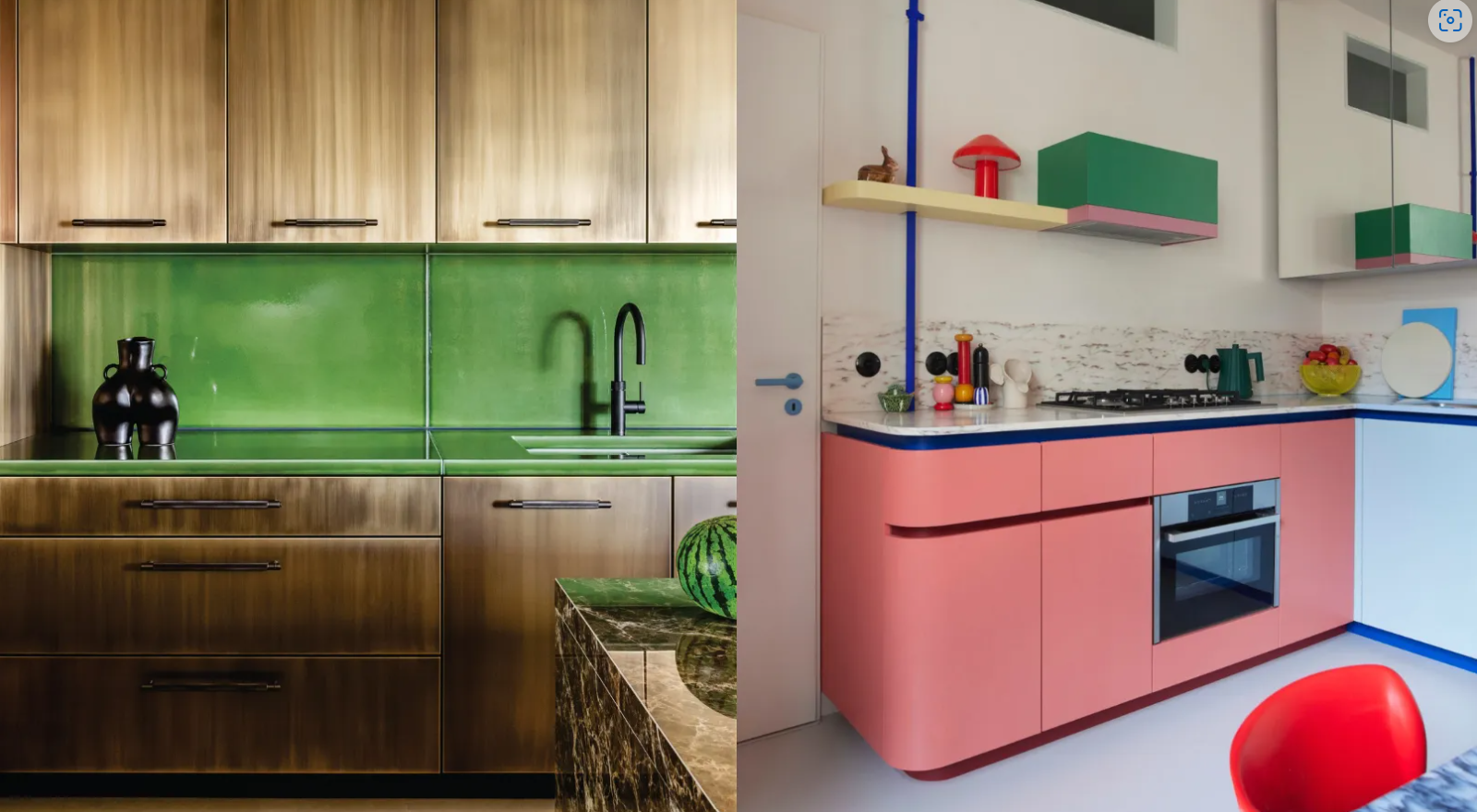
Luxury decor benefits when wealth turns toward the home
As housing affordability worsens for much of Europe, affluent consumers are moving in the opposite direction: investing more deeply in the quality, performance and identity of their homes. That is why the European wealth shift has major implications for luxury decor.
When prime buyers acquire homes in markets such as Lisbon, the Greek islands, northern Italy or alpine Switzerland, they often spend significantly on interiors. This spending goes beyond decoration. It includes artisanal materials, custom furniture, collectible objects, climate-smart shading, high-end outdoor living and wellness-focused layouts.
Several wider economic stories reinforce this trend. Rising temperatures are increasing cooling needs. Energy costs remain a strategic concern. Housing supply is tight in many desirable areas. Together, these forces make premium homeowners more willing to pay for interiors that combine beauty with comfort and resilience.
Design priorities now shaping luxury decor
- Natural stone, wood and tactile finishes with a sense of permanence
- Bespoke furnishings that signal individuality rather than mass prestige
- Indoor-outdoor spaces designed for hotter summers
- Low-energy lighting, shading and thermal comfort solutions
- Heritage craftsmanship paired with contemporary functionality
Luxury decor is therefore becoming less about visual excess and more about livable sophistication.
Luxury design is becoming more climate-aware and investment-led
The European wealth shift is not only geographic; it is also psychological. In a period defined by inflation shocks, AI-fueled market volatility, trade tensions and changing interest-rate expectations, affluent buyers are becoming more deliberate. They still spend, but they increasingly seek lasting value.
That mindset is elevating luxury design that feels investment-grade. Buyers want pieces and spaces that hold relevance over time, perform in changing environmental conditions and align with a refined, global aesthetic. For designers, that means creating interiors and products that can withstand both trend cycles and practical pressures.
Climate is especially important. Heatwaves across Europe are already reshaping electricity demand and living patterns. High-end design is responding with cooler palettes, breathable textiles, shaded terraces, water-conscious landscaping and layouts that reduce heat gain without sacrificing elegance.
Why timeless design now matters more
In uncertain economies, timelessness becomes a luxury asset. Consumers with means are often prioritizing:
- Craftsmanship over conspicuous branding
- Proven materials over fast-trend finishes
- Limited-edition design over mass-market premium goods
- Homes as lifestyle anchors rather than purely speculative assets
That gives luxury designers and makers a chance to position quality as both emotional and financial value.
What this means for luxury brands in Europe next
The strongest players will be those that treat the European wealth shift as a strategic lens rather than a temporary headline. Luxury brands, decor houses and design studios should pay closer attention to where wealthy residents are moving, how they are living and what new pressures shape their choices.
Winning strategies are likely to include:
- Expanding beyond legacy capitals into wealth-growth destinations
- Building services around property ownership and interior customization
- Designing for climate comfort, durability and energy awareness
- Using data on migration, housing and local spending to guide market entry
- Emphasizing craftsmanship, scarcity and long-term relevance
The result is a more nuanced European luxury market—less centered on simple status display and more focused on environment, identity and permanence.
Ultimately, the European wealth shift is redefining what luxury means across brands, homes and design culture. For businesses in luxury brands, luxury decor and luxury design, the takeaway is clear: follow the wealth, follow the home, and follow the new expectations of affluent European living.