





Asian Stocks Rally as Dow Record Lifts Luxury Design and Premium Brand Sentiment
Asian stocks rally headlines may seem far removed from the worlds of luxury brands, luxury decor, and luxury design, but market momentum often shapes how wealth is created, spent, and invested. When equities rebound and confidence improves, the ripple effects can reach premium retail, high-end interiors, and the broader lifestyle economy that depends on affluent consumer sentiment.
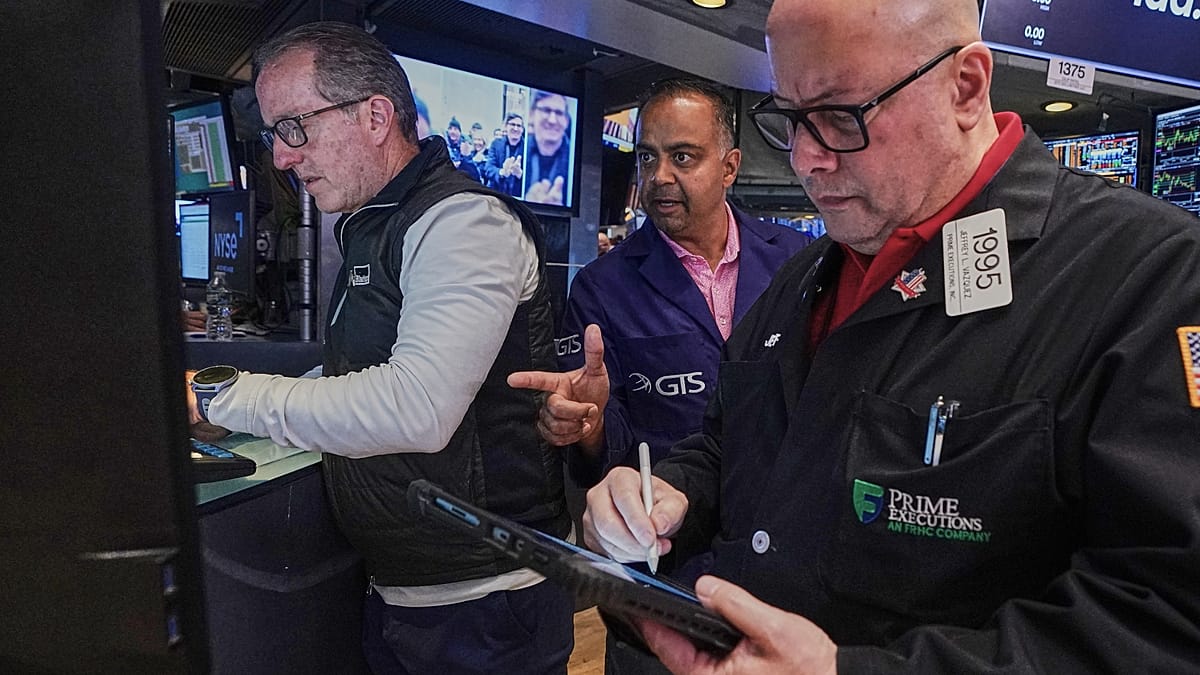
On Friday, markets across Asia moved higher after the Dow Jones Industrial Average closed at a fresh record. The rebound followed a volatile stretch driven by concerns over expensive technology valuations, especially in semiconductor and AI-related stocks. While some chip names remained weak, enough investors stepped back into the market to lift regional benchmarks and calm nerves.
Why the Asian stocks rally matters beyond finance
The latest Asian stocks rally is more than a trading story. It reflects a broader shift in risk appetite, and that matters for sectors tied to wealth creation. Luxury brands and design-led businesses tend to perform best when high-net-worth consumers feel secure about portfolios, bonuses, and business conditions.
Improved market sentiment can influence:
- Discretionary spending on premium furnishings and bespoke interiors
- Demand for designer residences, renovations, and collectible decor
- Investor appetite for luxury retail and lifestyle-linked equities
- Confidence among affluent consumers in Asia, Europe, and the US
For luxury-facing businesses, a stronger market backdrop often supports both direct sales and long-term brand investment.
Asian stocks rally after sharp chip-led volatility
The recent Asian stocks rally came after a rough prior session, when concerns over overheated technology valuations sparked a sell-off in semiconductor shares. Friday’s trading was notably steadier, suggesting investors were looking for opportunities after aggressive declines.
South Korea led the rebound. The Kospi climbed more than 4%, recovering part of the nearly 8% fall from the previous day. Samsung Electronics surged 7%, while SK Hynix gained 4.9%, showing renewed appetite for major chip and memory names.
Japan also moved higher, with the Nikkei 225 adding about 1%. Kioxia jumped 6.6%, although Tokyo Electron slipped 2.5%, a reminder that the recovery in tech remains selective rather than broad-based.
Elsewhere in the region:
- Hong Kong’s Hang Seng rose 1.7%
- Shanghai’s Composite advanced 0.7%
- Australia’s S&P/ASX 200 gained 1.3%
- Taiwan’s Taiex edged down 0.6%
This uneven picture shows that investors are still distinguishing between value, momentum, and risk across Asian markets.
Wall Street’s record close and what drove the move
A key catalyst for the Asian stocks rally was the Dow’s fresh all-time high. The index rose 1.1% to 52,900, even as broader US market performance stayed mixed. The S&P 500 finished nearly flat, and the Nasdaq declined 0.8% under pressure from chip weakness.
The market found support from a softer-than-expected US jobs report. Employers added 57,000 jobs, well below forecasts of 100,000. For investors, weaker labour data can be interpreted positively if it reduces inflation pressure and lowers the odds of aggressive interest-rate action from the Federal Reserve.
That matters because lower or steadier rates can support:
- Luxury housing demand
- High-end renovation financing
- Premium consumer confidence
- Valuations for growth and lifestyle companies
Oil prices also played a role. Brent crude rose to around $73 a barrel and US crude to about $69, but both remained below levels seen before the Iran war began in late February. Contained energy prices help reinforce hopes that inflation may not reaccelerate sharply.
Chip weakness lingers despite the rebound
Even with the Asian stocks rally, semiconductor volatility has not disappeared. On Wall Street, the AI trade remained under pressure. Micron reversed an early gain and fell 5.5%, one day after a 10.6% slide. Lam Research dropped more than 10%, while Nvidia slipped 1.4% despite its enormous market value.
This matters because semiconductors have become a key driver of global market leadership, especially within the AI boom. When chip stocks wobble, confidence across broader growth sectors can weaken quickly. For luxury observers, that can affect the wealth effect that often fuels premium spending.
Still, the fact that some Asian tech shares rebounded suggests investors are not abandoning the theme entirely. Instead, the market may be entering a more selective phase, rewarding stronger balance sheets, clearer earnings visibility, and less stretched valuations.
What this means for luxury brands, luxury decor, and luxury design
The connection between the Asian stocks rally and luxury sectors is ultimately about confidence. Luxury spending is highly sensitive to asset values, business optimism, and cross-border capital flows. Asia in particular remains central to global luxury demand, from fashion and watches to designer furniture and residential design.
Luxury brands
Stronger markets can support consumer willingness to spend on prestige goods, especially among wealthy urban buyers in financial centres such as Seoul, Tokyo, Hong Kong, and Shanghai.
Luxury decor
When portfolios stabilize, high-end homeowners are more likely to proceed with interior upgrades, collectible objects, artisanal furnishings, and tailored decor commissions.
Luxury design
Architects, interior studios, and premium developers benefit when financing conditions look less threatening and affluent clients feel more comfortable planning large projects.
Although one trading session does not create a trend, improving market tone can help rebuild the psychological foundation that premium sectors rely on.
Europe and the bigger global picture
European markets opened modestly higher, with the Euro Stoxx 50 and Stoxx 600 trading in a narrow range. Major indexes including the FTSE 100, DAX, CAC 40, and FTSE MIB posted small gains, pointing to a cautiously constructive mood rather than euphoria.
That balanced reaction may be healthy. Instead of a speculative surge, investors appear to be weighing slower US hiring, manageable oil prices, and ongoing tech-sector volatility. For luxury-linked industries, this kind of measured optimism may be more sustainable than a sudden burst of exuberance.
Conclusion: Asian stocks rally, but confidence remains selective
The latest Asian stocks rally signals that investors are willing to step back into risk assets after a bruising chip sell-off, encouraged by a record Dow close and softer US jobs data. Yet semiconductor weakness has not fully passed, and markets remain selective.
For luxury brands, luxury decor, and luxury design, the takeaway is clear: market rebounds matter because they shape the confidence and capital that drive premium spending. If the Asian stocks rally develops into a steadier global recovery, the luxury economy could be one of its quieter but important beneficiaries.