Ultra-fast connectivity is no longer just a convenience in high-end living; it is becoming part of the architecture itself. With Amazon Leo preparing for commercial rollout later this year, the next chapter of satellite internet could reshape how luxury homes, remote retreats, and design-forward properties stay connected.
Amazon Leo is Amazon’s low Earth orbit satellite internet network, developed to compete with SpaceX’s Starlink. After a fresh launch of 29 satellites, Amazon says it now has more than 390 satellites in orbit, enough to support continuous service across initial coverage areas and move toward a broader commercial debut in the third quarter of 2026.
Why Amazon Leo Matters for Luxury Architecture
For the world of luxury architecture, connectivity is increasingly a design requirement rather than a technical afterthought. Owners of contemporary estates, mountain chalets, island villas, and desert compounds often want seamless digital performance in places where terrestrial broadband is limited or unreliable. Amazon Leo could become a major player in solving that challenge.
Unlike traditional cable-based infrastructure, satellite internet can extend premium connectivity to remote locations without waiting for extensive ground network buildouts. That is especially relevant for bespoke residences designed in secluded, visually dramatic settings where privacy, views, and exclusivity matter more than proximity to urban utilities.
In practical terms, Amazon Leo may support:
- Smart home ecosystems with dozens of connected devices
- Remote security monitoring and perimeter surveillance
- High-definition streaming across large residences
- Dedicated home offices in second or third homes
- Wellness technology, from climate automation to lighting controls
- Connected guest pavilions, pool houses, and auxiliary structures
Amazon Leo vs Starlink: A New Design Infrastructure Race
Amazon Leo enters a market where Starlink already has a strong lead. SpaceX’s satellite internet service reportedly operates more than 10,400 active satellites, while Amazon Leo remains in an earlier growth phase. Even so, Amazon’s latest deployment marks an important milestone and positions the network as the third-largest constellation, behind Starlink and OneWeb.
From a luxury property perspective, more competition in satellite internet is good news. It may eventually create:
- More hardware choices for architects and homeowners
- Better service packages for enterprise and residential users
- Improved speeds and reliability over time
- Greater flexibility for global real estate portfolios
For developers and interior technologists, Amazon Leo is not just another telecom story. It represents a possible shift in baseline expectations for connected living, especially in regions where premium architecture has outpaced conventional infrastructure.
How Satellite Internet Influences Luxury Interiors
Luxury interiors today are expected to feel serene, tactile, and visually uncluttered, even as they become more technologically sophisticated. That balance requires invisible infrastructure. If Amazon Leo expands access to dependable broadband in remote homes, it could help designers integrate advanced systems without compromising aesthetics.
Invisible tech, visible comfort
Many high-end interiors now rely on hidden networks that control lighting scenes, acoustic treatments, motorised shading, security, entertainment, and air quality. Robust internet access supports these systems behind the scenes, allowing designers to preserve clean lines, natural materials, and gallery-like calm.
Remote residences with full digital capability
One of the biggest promises of Amazon Leo is the ability to support digital lifestyles in properties far from urban centres. Think cliffside villas, forest lodges, private ranch compounds, and contemporary glass homes in isolated landscapes. These residences often demand the same connected performance as a penthouse in London or New York.
That opens new possibilities for:
- Designing fully connected wellness retreats
- Creating luxury rental properties in previously underserved locations
- Supporting hybrid work without compromising location choice
- Building resilient communications for seasonal homes
Amazon Leo’s Launch Progress and What Comes Next
Amazon first unveiled its satellite internet project in 2019 and rebranded it as Amazon Leo in late 2025. The company ultimately plans a constellation of about 3,236 satellites, though deployment has faced delays tied to rocket availability and launch setbacks.
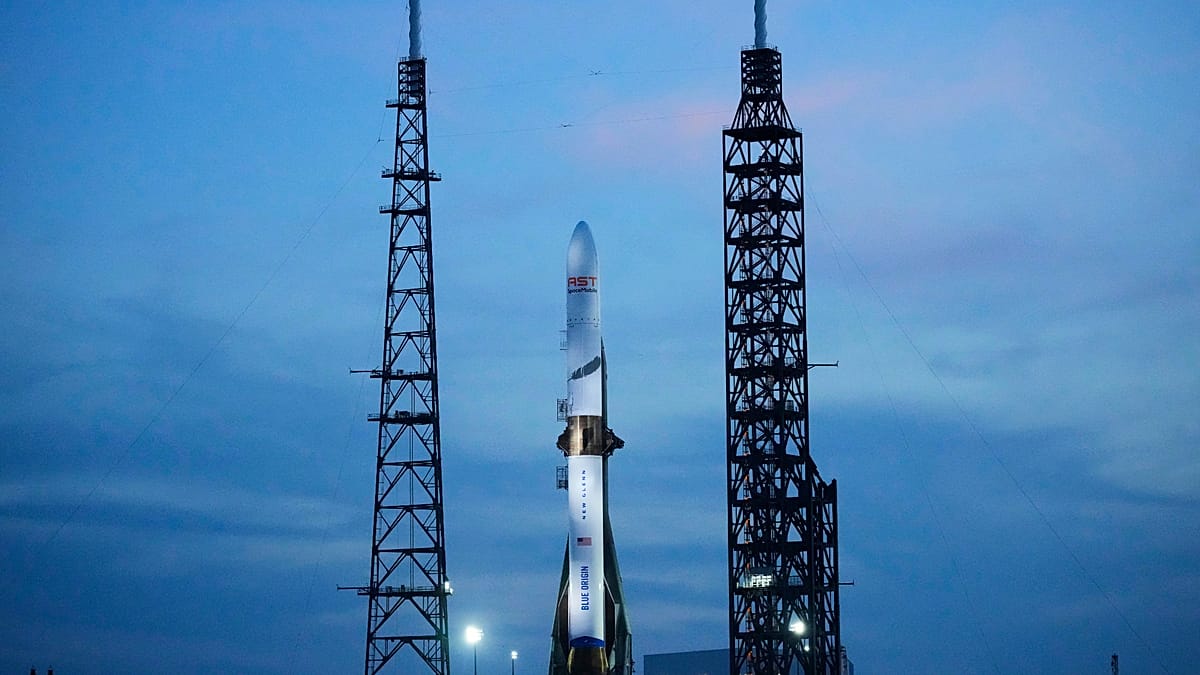
A major disruption came in May 2026, when Blue Origin’s New Glenn rocket exploded during a hot-fire ground test in Florida. That mission had been expected to carry 48 Amazon Leo satellites, but Amazon said those satellites had not yet been integrated and remained safe. Despite that setback, the company says its broader launch roadmap is still on track.
The next Amazon Leo mission is expected to use United Launch Alliance’s Vulcan rocket, a heavy-lift vehicle that can carry larger payloads and potentially accelerate deployment. Amazon has already opened beta access to enterprise customers and is targeting a fuller commercial launch in Q3 2026.
What Designers, Developers, and Homeowners Should Watch
For professionals in luxury architecture, luxury design, and luxury interiors, Amazon Leo is worth watching closely over the next 12 months. The service could influence not only how homes function, but also where they can be built and how confidently they can deliver a premium user experience.
Key questions remain:
- How quickly will Amazon Leo expand geographic coverage?
- What will the hardware look like in design-sensitive settings?
- How will performance compare with Starlink for large residences?
- Can the service support enterprise-grade demands for hospitality and branded residences?
If Amazon Leo proves reliable, it may become part of the hidden backbone of next-generation luxury living. In that sense, satellite internet is becoming a design enabler, supporting homes that are more remote, more intelligent, and more self-sufficient.
Conclusion: Amazon Leo Could Redefine Connected Luxury Living
Amazon Leo is still early in its rollout, but its progress signals a broader transformation in how high-end properties connect to the world. For luxury homeowners, architects, and interior designers, the appeal is clear: better internet access in extraordinary locations, without sacrificing beauty, privacy, or ambition.
As Amazon Leo moves toward commercial service, it has the potential to expand the map of truly connected luxury living. In the years ahead, the most exceptional homes may not be defined only by materials, views, or craftsmanship, but also by how seamlessly their technology disappears into the architecture.