
Few European getaways pack as much history, atmosphere and visual richness into a weekend as Plovdiv. This Plovdiv travel guide explores how to spend 48 hours in Bulgaria’s oldest continuously inhabited city, where Roman ruins, Ottoman landmarks and Bulgarian Revival interiors create an irresistible destination for lovers of luxury design, heritage and beautifully layered decor.
Often overshadowed by Europe’s headline city breaks, Plovdiv rewards travellers with something rarer: authenticity. Here, ancient stone, hand-painted ceilings, cobbled lanes and creative neighbourhoods come together in a way that feels both cultivated and deeply lived-in.
Why This Plovdiv Travel Guide Belongs on Your Luxury Design Radar
Plovdiv is not just a destination for history buffs. It is a masterclass in architectural continuity and decorative storytelling. The city reveals centuries of aesthetic influence, from Thracian and Roman engineering to Ottoman craftsmanship and the elegance of 19th-century Bulgarian Revival homes.
For travellers interested in luxury decor and timeless design, Plovdiv offers:
- Well-preserved Roman structures with dramatic stone detailing
- Heritage houses filled with period furnishings and painted interiors
- Atmospheric old streets ideal for slow, design-focused wandering
- A growing creative scene in districts filled with artisans, cafes and stylish bars
This Plovdiv travel guide is especially useful if you want a city break that blends culture with visual inspiration.
Day One: Roman Landmarks and Old Town Elegance
Start at the Stadium of Philippopolis
Begin your weekend with one of the city’s most significant Roman sites. The ancient Stadium of Philippopolis dates to the 1st century AD and once held around 30,000 spectators. Today, only a visible section remains accessible, as much of the structure lies beneath the modern city.
Even so, it makes a striking first stop. Positioned near Plovdiv’s central pedestrian zone, it offers an immediate sense of how the ancient and contemporary city overlap. In any Plovdiv travel guide, this is an essential stop for understanding the scale of Roman influence here.
See the statue of Milyo
Just nearby, you will find one of the city’s most beloved local figures immortalised in sculpture: Milyo the Crazy. His statue has become a light-hearted cultural landmark, and tradition says rubbing his knees brings luck in love. It is a small but memorable detail that adds personality to the historic centre.
Visit Djumaya Mosque
To appreciate Plovdiv’s layered identity, step from the Roman past into its Ottoman chapter at Djumaya Mosque. One of the oldest Ottoman religious buildings in the Balkans, it stands out for its brick-and-stone facade and architectural influences that merge Byzantine and Bulgarian elements.
For travellers drawn to decorative history, the building is a reminder that luxury design often comes from cultural exchange rather than a single dominant style.
Wander the Old Town
No Plovdiv travel guide is complete without time in the Old Town. This hillside district is the soul of the city, with winding cobblestone lanes, grand mansions and archaeological remains woven into the streetscape.
The standout experience for interiors lovers is visiting one of the Bulgarian Revival houses. Hindliyan House is particularly compelling, with preserved decor and furnishings that reveal how elite families once lived in the 19th century. Expect ornamental details, richly composed rooms and an ambience that feels more intimate than a grand museum.
Other houses and cultural spaces worth considering include:
- Balabanov House
- Stambolyan House
- Nedkovich House
- The Ethnographic Museum
These spaces make Plovdiv especially relevant to readers interested in heritage interiors, restoration and residential design traditions.
Day Two: Theatre Views, Sunset Hills and Creative Energy
Experience the Ancient Theatre of Philippopolis
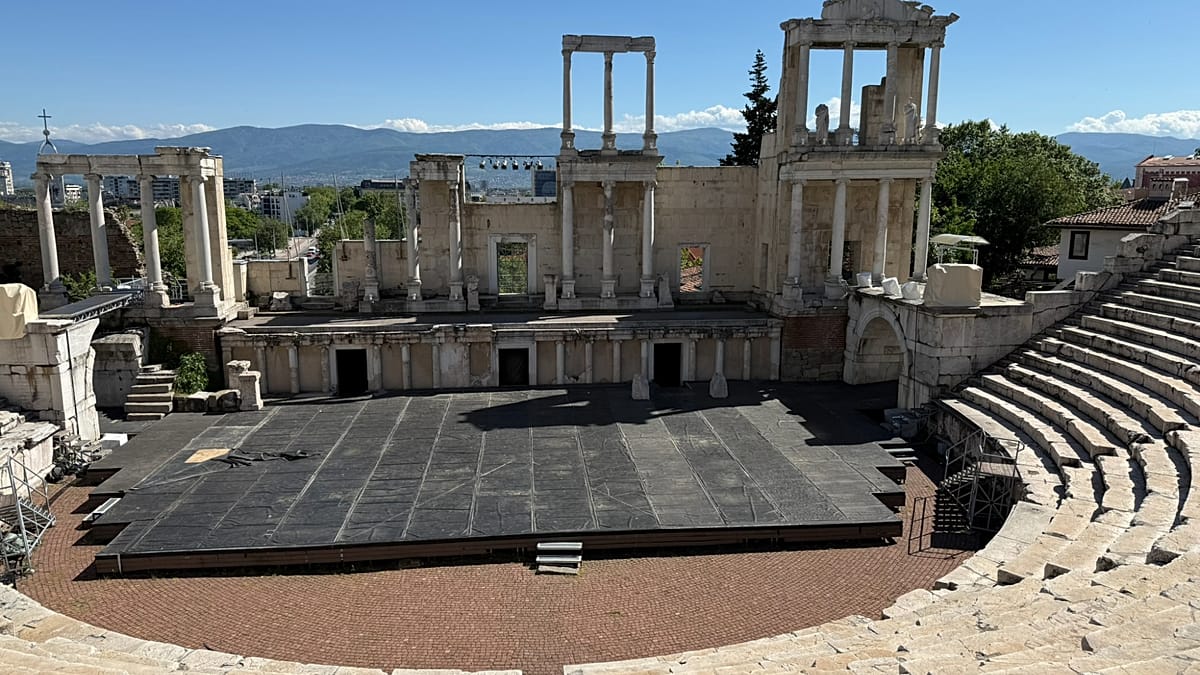
The Ancient Theatre is one of the most spectacular highlights in this Plovdiv travel guide. Dating from the Roman era and later restored after its rediscovery in the 20th century, it is among the best-preserved theatres of its kind.
Its elegance lies not only in its architecture but in its continued use. During the warmer months, the venue hosts concerts and performances, including the Opera Open festival. If your itinerary allows, seeing a live performance here elevates a city break into something unforgettable.
Climb Nebet Tepe at sunset
For a change of pace, head to Nebet Tepe, one of Plovdiv’s historic hills. The archaeological site contains traces of settlement dating back millennia, but the true reward is the view. At sunset, the city’s rooftops, church domes and distant hills take on a warm glow that feels cinematic rather than crowded.
From a visual perspective, this is where the city’s full composition becomes clear: ancient foundations, layered architecture and contemporary life all sharing the same horizon.
Where to Eat and Drink in Plovdiv
Plovdiv’s dining and bar scene is another reason this Plovdiv travel guide stands out. The Kapana district, once associated with craftsmen, has evolved into the city’s creative quarter. It now combines artistic spirit with a casual, design-conscious energy.
Top places to try include:
- Cat and Mouse for craft beer
- Mekitsa and Coffee for the traditional fried dough specialty
- Fresh Pasta for a quick and satisfying meal
- The Turtle House for a relaxed drink afterwards
Kapana’s appeal lies in its mix of repurposed spaces, independent concepts and easygoing style. For travellers who appreciate lifestyle-driven city districts, it is one of Plovdiv’s most attractive areas.
How to Get There and How Long to Stay
A practical Plovdiv travel guide should note that the city is reachable both directly and via Sofia. Flights operate from select European cities, while overland connections from Sofia are straightforward, taking roughly two and a quarter hours by bus or just under three hours by train.
Although many visitors treat Plovdiv as a day trip, staying at least 48 hours is the smarter choice. The city is best enjoyed slowly, with time for museum visits, long lunches, architectural discoveries and evening views.
Final Thoughts on This Plovdiv Travel Guide
The best reason to visit Plovdiv is not simply that it is old, but that it wears its age beautifully. This Plovdiv travel guide shows a city where Roman monuments, Ottoman heritage and Bulgarian domestic design exist in rare harmony, offering inspiration far beyond the usual weekend break.
If you are drawn to places with substance, texture and visual depth, Plovdiv deserves a place on your list now, before the crowds fully catch on. For culture seekers and design lovers alike, this Plovdiv travel guide proves that one of Europe’s most rewarding luxury-adjacent escapes has been hiding in plain sight.