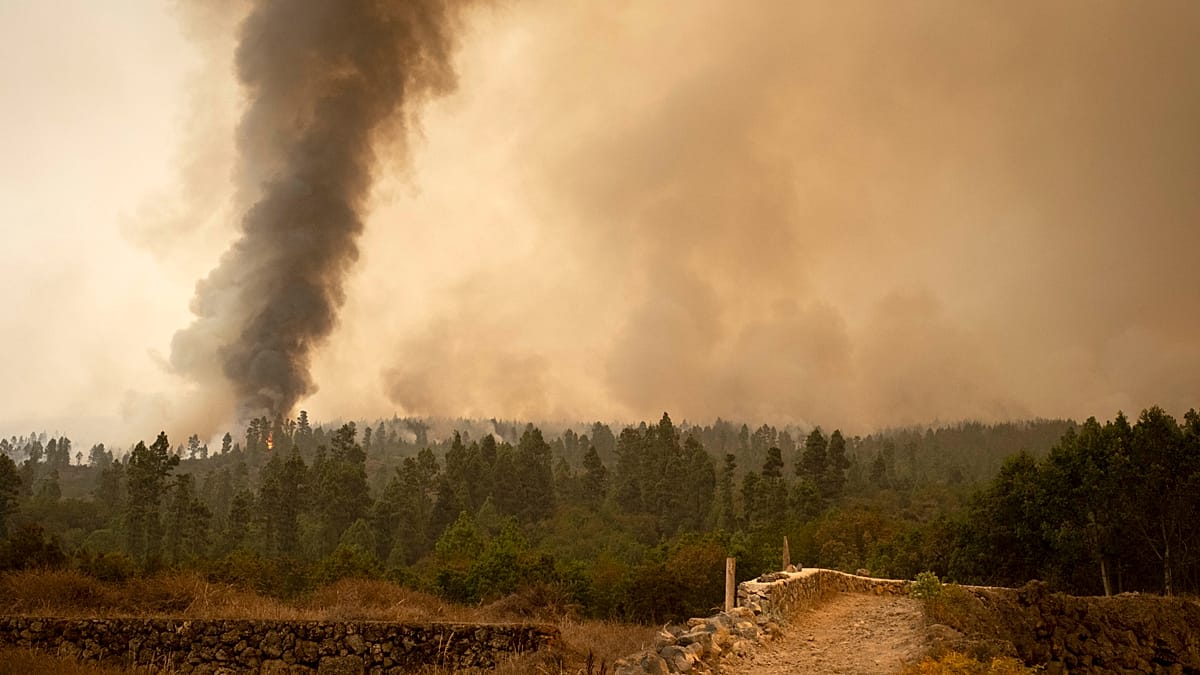
Spain wildfires 2026 are no longer just an environmental headline—they are becoming a serious consideration for luxury property owners, architects, landscape designers and premium brands tied to place, craftsmanship and lifestyle. With tens of thousands of hectares already burned and June emerging as the most destructive month so far, the new fire season is forcing the luxury sector to rethink how beauty, resilience and long-term value can coexist.
For buyers of country estates, hospitality investors, and luxury decor professionals sourcing from fire-prone regions, the numbers matter. They signal a broader shift in how high-end living is designed, protected and insured across Spain and southern Europe.
Spain Wildfires 2026: The Numbers Behind a Growing Risk
According to European satellite-based monitoring, roughly 50,000 hectares have burned in Spain this year. Spain’s Ministry for Ecological Transition reports a slightly lower figure—about 39,700 hectares through late June—because it compiles data submitted by regional governments rather than continuous satellite imagery.
Both measurements are useful. Together, they paint a clearer picture of a fast-moving wildfire season that is already placing pressure on landscapes, infrastructure and rural communities.
- Nearly 50,000 hectares estimated burned in Spain in 2026
- About 39,700 hectares reported officially through 21 June
- 15,900 hectares burned in June alone
- 14 major forest fires recorded so far this year
- Cantabria has seen the highest damage, at around 15,500 hectares
In the context of Spain wildfires 2026, one of the most striking details is that Cantabria—not always the region most associated with severe fire damage—has emerged as the worst affected. That shift matters because it suggests fire exposure is no longer confined to the most predictable provinces.
Why Luxury Real Estate and Design Should Pay Attention
The luxury market often prizes seclusion, expansive natural settings and dramatic landscapes. Those same features can also increase vulnerability when drought, wind, vegetation density and difficult terrain align. Spain wildfires 2026 highlight how premium homes in rural, coastal and mountain environments may require a different design logic than they did even a decade ago.
High-value properties face rising exposure
Luxury villas, heritage estates, vineyard properties and boutique retreats are frequently located near forests, scrubland or agricultural edges. These settings deliver privacy and prestige, but they can also complicate evacuation planning, emergency access and long-term maintenance.
For developers and buyers, wildfire risk is increasingly influencing:
- Property valuation and due diligence
- Insurance availability and premiums
- Landscape design choices
- Material selection for facades and roofing
- Water storage and fire suppression systems
Landscape aesthetics are evolving
Traditional luxury landscaping in Mediterranean climates has often celebrated lush planting, layered hedges and ornamental vegetation. Today, designers are balancing that visual richness with defensible space principles. The goal is not to strip properties of elegance, but to create compositions that are both refined and safer.
This can include gravel gardens, low-resin planting palettes, strategic spacing, stone terracing and fire-resistant perimeter design—all of which can still feel deeply luxurious when executed well.
How Spain Wildfires 2026 Are Influencing Luxury Decor and Architecture
Interior design may seem far removed from wildfire data, yet Spain wildfires 2026 are already shaping the conversation around materials, durability and regional sourcing. In high-end design, resilience is becoming part of the definition of quality.
Material choices now carry new weight
Architects and luxury design studios are placing greater emphasis on materials that can better withstand heat exposure, ember attack and smoke-related deterioration. While aesthetics remain central, performance is increasingly part of the premium brief.
Examples include:
- Natural stone exteriors and terraces
- Metal or fire-rated roofing systems
- Tempered glass and protected openings
- Minimalist outdoor furnishings with non-combustible frames
- Interior finishes selected for easier post-smoke restoration
For luxury decor brands, this may also accelerate demand for collectible pieces that are adaptable, movable and less dependent on vulnerable outdoor placement in peak summer months.
Craft, provenance and supply chains are also affected
Wildfires do not only damage homes; they can disrupt artisan regions, timber supply, rural workshops and transport networks. Brands that emphasize local provenance may need stronger contingency planning as climate-related disruptions become more frequent across southern Europe.
That is especially relevant in categories like bespoke furniture, architectural woodwork, natural textiles and handmade ceramics tied to regional production landscapes.
A European Fire Season With Wider Implications
The pressure extends well beyond Spain. Across the European Union, burned area has climbed above seasonal norms, with total damage already exceeding historical averages for this point in the year. Several countries are reporting significant deviations, and some have active emergency responses underway.
This broader pattern matters for the luxury sector because many brands, developers and property investors operate across multiple Mediterranean markets. Spain wildfires 2026 should therefore be read not as an isolated event, but as part of a wider European climate-risk reality affecting:
- Second-home investment decisions
- Luxury hospitality development
- Rural estate management
- Outdoor product design
- Insurance and asset protection strategies
What Designers, Owners and Investors Can Do Now
There is no single solution, but preparedness is becoming a hallmark of intelligent luxury. The most future-focused projects are integrating fire awareness early, rather than treating it as an afterthought.
Practical steps include:
- Commissioning wildfire risk assessments before purchase or renovation
- Creating defensible space around structures without sacrificing design quality
- Upgrading to fire-conscious materials and glazing systems
- Reviewing insurance coverage annually
- Installing water reserves, pumps and monitored alert systems
- Planning evacuation and access routes for staff, guests and residents
For luxury brands, the opportunity is to redefine premium design as something more enduring: elegant, climate-aware and deeply responsive to place.
Conclusion
Spain wildfires 2026 reveal a clear truth for the high-end property and design world: prestige alone does not protect an asset. From rural estates in Cantabria to coastal retreats and boutique hospitality projects, wildfire resilience is now part of modern luxury planning. The smartest response is not fear, but adaptation—designing homes, landscapes and sourcing strategies that preserve beauty while preparing for a hotter, more volatile future.