


Architecture News This Week: Opera Houses, Museum Expansions, and Luxury Urban Design Take Center Stage
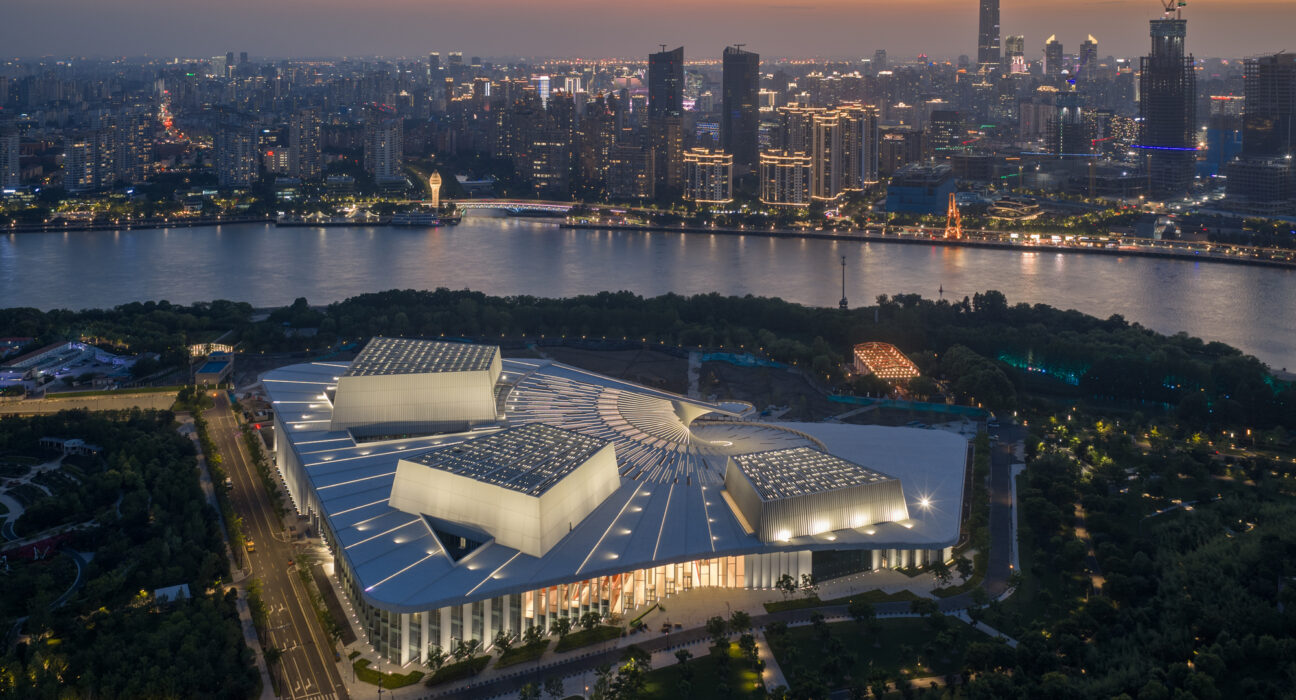
Architecture news rarely captures the full spectrum of culture, luxury, and city-making in a single week, but this one comes close. From a sculptural opera house nearing completion in Shanghai to a regenerative riverside neighborhood in Seoul, the latest developments reveal how high-end architecture is increasingly shaping the future of urban life.
For readers interested in luxury architecture, luxury home design, and refined urban living, this week’s stories offer more than headlines. They show how landmark cultural buildings and ambitious masterplans are redefining the relationship between design excellence, public space, and premium residential environments.
Architecture News Highlights: Cultural Landmarks Lead the Conversation
The strongest theme in this round of architecture news is the global momentum behind cultural institutions. Across Asia, Europe, and the Middle East, major arts projects are progressing from concept to construction, reinforcing architecture’s role as both civic symbol and cultural experience.
Shanghai Grand Opera House Nears Completion
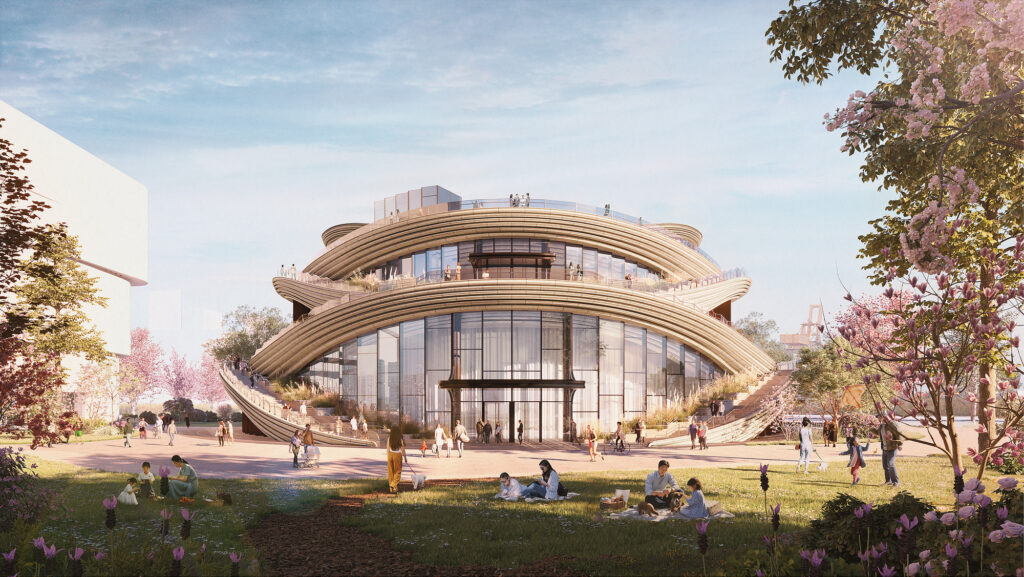
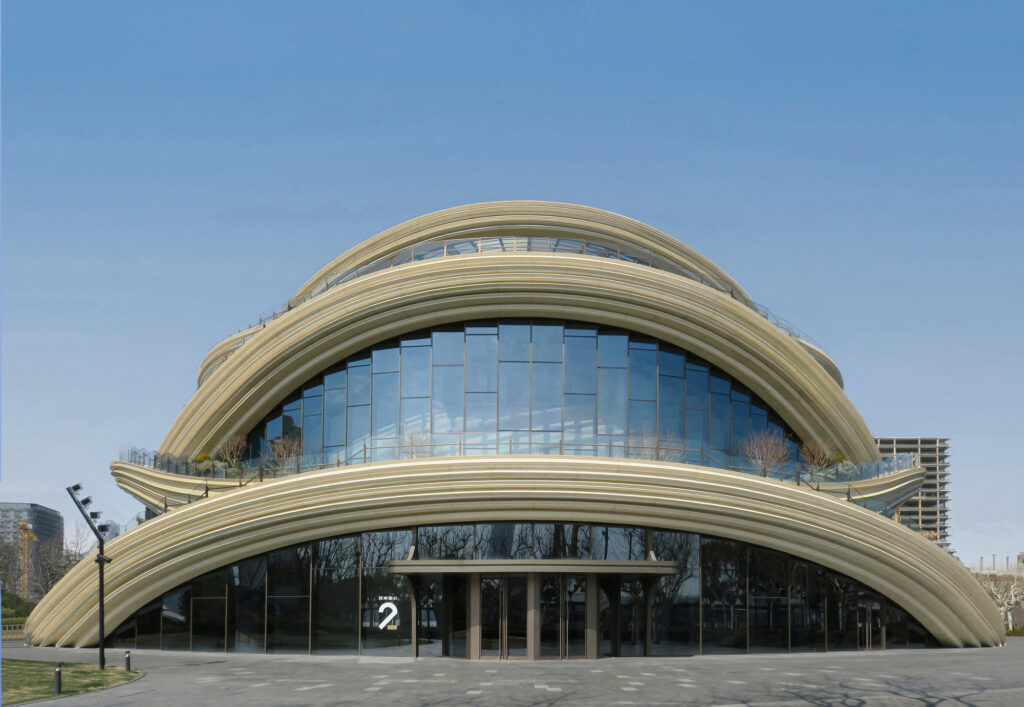
Snøhetta’s Shanghai Grand Opera House has entered its final phase, with attention now shifting toward interior completion ahead of its expected October 2026 opening. Its spiraling form is designed not just as a performance venue, but as a visual landmark within a broader urban masterplan.
From a luxury design perspective, projects like this matter because they combine:
- Iconic sculptural form
- High-profile cultural programming
- Public realm activation
- Strong integration with long-term city planning
That combination increasingly defines the most influential architecture news stories worldwide.
New Arts Destinations in France and Abu Dhabi
Another major development is the upcoming opening of “Large” in France, a new arts center designed by RCR Arquitectes on Île Seguin, a former industrial site undergoing transformation. The adaptive reuse context adds depth to the project, showing how design-led regeneration can turn old infrastructure into a contemporary cultural destination.
Meanwhile, in Abu Dhabi, construction has begun on Dar al Funoon, a new performing arts institution by Frank Gehry. As with many Gehry projects, expectations are high for a building that blends bold expression with global cultural prestige. In today’s architecture news cycle, these institutions are not just venues; they are strategic investments in identity, tourism, and international relevance.
Museum Projects Signal a New Era of Institutional Design
Two newly announced museum commissions also stand out in this week’s architecture news, reflecting how museums are evolving architecturally and socially.
Ecuador’s New National Museum
Studio Campo Baeza and Maoda have won the competition to design Ecuador’s new National Museum in Quito. Early descriptions suggest a compact vertical composition shaped by light and shadow, with references to pre-Columbian Andean architecture. That balance between historical resonance and modern minimalism is particularly relevant to luxury architecture audiences who value timelessness over trend.
Turin’s GAM to Be Renewed
In Italy, MVRDV and Balance Architettura have been selected to renovate Turin’s Civic Gallery of Modern and Contemporary Art. Rather than replacing the postwar building, the project focuses on restoration and renewal, adapting it to current curatorial and public expectations.
This is an important direction in architecture news: preservation is no longer viewed as the opposite of innovation. Instead, sophisticated renewal has become a marker of design maturity.
Architecture Exhibitions Expand Global Dialogue
Not all important architecture news is tied to construction sites. This week also highlighted architecture as a subject of exhibition, debate, and diplomacy.
The Sharjah Architecture Triennial announced participants for its next edition, centered on civic infrastructure and collective futures across the Global South. The event continues to elevate conversations around urbanism, climate, equity, and regional knowledge.
At the same time, Austria revealed its proposal for the 2027 Venice Architecture Biennale, suggesting a cooperative concession involving Bosnia and Herzegovina at the Austrian Pavilion. The idea raises compelling questions about representation, exchange, and the politics of architectural platforms.
For design professionals and enthusiasts alike, this dimension of architecture news is essential. Exhibitions often forecast the ideas that later shape cities, homes, and institutions.
Luxury Urban Living in Focus: Seoul, Cardiff, and Bengaluru
Beyond cultural landmarks, this week’s architecture news also spotlighted three urban projects with major implications for lifestyle, mobility, and high-value development.
Foster + Partners’ Riverside Neighborhood in Seoul
Perhaps the most relevant story for luxury home and luxury decor audiences is Foster + Partners’ new masterplan for Apgujeong District 4 in Seoul. Developed with Samsung C&T, the scheme proposes eight residential towers above a mixed-use ground plane, all organized around a major public park connecting the city to the Han River.
Key luxury living features include:
- Triple-aspect residences
- Generous terraces with river views
- Integrated wellness and leisure amenities
- Landscape-driven planning
- Strong links between private residences and public green space
This is exactly the kind of project redefining premium urban living: a blend of exclusivity, connectivity, and ecological planning.
Cardiff’s Sculptural Pedestrian and Cycle Bridge
In Cardiff, Moxon Architects and Arcadis received approval for a 165-meter pedestrian and cycle bridge over the River Taff. While not a luxury residential development in itself, the bridge is critical infrastructure for a waterfront regeneration area that will support hundreds of new homes.
Its S-shaped alignment, steel ribbon structure, and integrated overlook bench demonstrate how even mobility infrastructure can become a design statement. That sensitivity to form and experience is increasingly visible across top-tier architecture news coverage.
Bengaluru’s Museum of Art and Photography Expansion
Rahul Mehrotra will lead the expansion of the Museum of Art and Photography in Bengaluru, adding galleries, conservation facilities, children’s spaces, and a dedicated makers’ space. The announcement also includes a new sculpture park in the Nilgiri Hills, within a UNESCO Biosphere Reserve.
Together, the two projects show a broader shift in architecture news: cultural campuses are becoming more immersive, public-facing, and landscape-oriented. They are no longer isolated buildings, but curated ecosystems of art, education, and civic life.
Why This Week Matters for Luxury Architecture
The unifying thread across this week’s developments is clear: architecture is being used to create prestige, public value, and long-term urban identity at once. Whether through opera houses, museum renewals, waterfront housing, or civic bridges, design is moving beyond aesthetics to shape how people live, gather, and experience place.
For those tracking luxury architecture, luxury home decor trends, and elite urban development, this latest round of architecture news offers a valuable signal. The future belongs to projects that pair visual distinction with cultural relevance, sustainable planning, and meaningful public engagement.
In short, the best architecture news today is not only about beautiful buildings. It is about how exceptional design creates richer cities, stronger communities, and more aspirational ways of living.