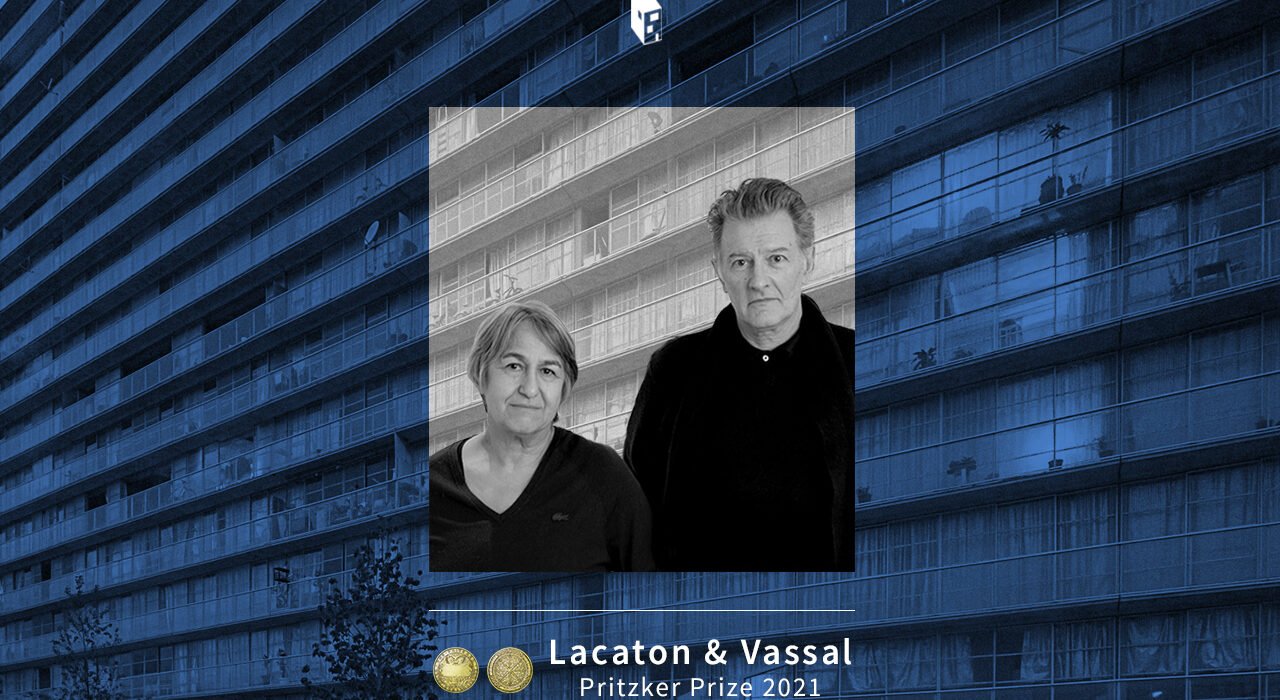
Architecture news rarely captures a shift in values as clearly as the 2021 Pritzker Architecture Prize. When Anne Lacaton and Jean-Philippe Vassal were named laureates, the honor recognized more than a body of work—it celebrated an architectural philosophy rooted in generosity, sustainability, and the belief that existing buildings deserve a second life.
For readers interested in luxury architecture, luxury design, and the future of elevated living, this announcement matters well beyond the awards circuit. Lacaton & Vassal have built an international reputation by proving that spaciousness, beauty, and human dignity do not have to come at the cost of demolition, waste, or exclusivity. Their work offers a compelling lesson for everyone shaping refined homes, residential developments, and adaptive urban spaces.
Architecture News and the Meaning of the 2021 Pritzker Prize
The Pritzker Architecture Prize is widely regarded as architecture’s highest distinction, and in 2021 it went to the Paris-based duo behind Lacaton & Vassal. Anne Lacaton also became the first French female architect to receive the award, marking a historic milestone in global architecture news.
The jury praised the pair for architecture that responds to urgent ecological and social realities while remaining elegant, practical, and deeply humane. Rather than chasing spectacle, their projects focus on improving everyday life. That approach feels especially relevant in a design culture increasingly concerned with wellness, flexibility, and environmental performance.
In a world where luxury home design is often equated with excess, Lacaton and Vassal offer another definition of value:
- More light instead of more ornament
- More usable space instead of wasteful reconstruction
- More freedom for residents instead of rigid planning
- More environmental responsibility without sacrificing comfort
The “Never Demolish” Philosophy That Changed Contemporary Design
One of the most important ideas in this architecture news story is the firm’s long-standing commitment to transformation over demolition. Their principle is simple but radical: if a building can be improved, expanded, or adapted, it should not be torn down.
This philosophy has major implications for luxury architecture and luxury home decor trends. Today’s most forward-thinking clients want homes and buildings that are not only visually stunning, but also intelligent in how they use materials, energy, and inherited structures. Lacaton & Vassal demonstrate that sustainable architecture can feel expansive and sophisticated rather than restrictive.
Their work reframes sustainability as a design opportunity. Instead of starting from scratch, they look for hidden potential in what already exists—structure, volume, daylight, circulation, and urban context. The result is architecture that feels layered, lived-in, and remarkably contemporary.
Why this approach resonates now
Their ideas align with several major movements across architecture and interiors:
- Adaptive reuse: turning older buildings into high-performance residential or cultural spaces
- Bioclimatic design: using balconies, winter gardens, and natural ventilation to improve comfort
- Flexible living: creating rooms and thresholds that adapt to changing lifestyles
- Responsible luxury: valuing longevity, space, and quality over conspicuous consumption
Key Projects Behind This Architecture News Story
The significance of this architecture news moment becomes clearer when you look at the projects that defined Lacaton & Vassal’s career.
Latapie House
An early landmark, the Latapie House introduced many of the studio’s signature ideas, including greenhouse-inspired extensions and winter gardens. The project showed how low-cost materials and smart environmental thinking could create luminous, generous domestic space.
Tour Bois le Prêtre
Completed with Frédéric Druot, this transformation of a 1960s housing tower in Paris rejected demolition in favor of expansion. The architects removed the facade and added balconies and winter gardens, increasing space, improving comfort, and dramatically upgrading residents’ quality of life.
Grand Parc Bordeaux
In another major housing transformation, completed with Druot and Christophe Hutin, 530 apartments were renewed from the inside out. Instead of displacing residents, the design enlarged homes and improved daylight, views, and livability. It became a model for socially conscious urban renewal.
Palais de Tokyo
The duo also brought their adaptive mindset to culture. At Paris’s Palais de Tokyo, they expanded the museum by 20,000 square meters while preserving its raw, open character. The project illustrates how their methods work just as powerfully in art institutions as they do in housing.
What Luxury Architecture Can Learn From Lacaton & Vassal
This architecture news is especially relevant to luxury architecture because it challenges superficial ideas of prestige. True luxury, their work suggests, lies in freedom, air, light, and time. A home feels exceptional not because it is overdesigned, but because it supports life beautifully.
For architects, developers, and design-minded homeowners, their legacy points to several takeaways:
- Generous space matters: balconies, terraces, and transitional zones can transform how a home is experienced
- Existing structures have value: renovation can be more refined and meaningful than replacement
- Materials should serve life: elegance comes from performance and atmosphere, not just expensive finishes
- Design should be adaptable: the best spaces allow occupants to shape them over time
These lessons apply directly to luxury home projects, boutique developments, and even luxury decor strategies that prioritize comfort, natural light, and long-term relevance.
Why This Architecture News Moment Still Matters
Years after the announcement, the recognition of Lacaton and Vassal remains a defining chapter in architecture news. Their Pritzker win signaled that the profession is increasingly valuing ethics alongside aesthetics, and ecological intelligence alongside formal innovation.
That shift matters for the luxury sector. High-end design is no longer just about rarity or visual impact; it is increasingly about stewardship, wellness, and emotional quality. Lacaton & Vassal’s work proves that architecture can be restrained yet ambitious, simple yet luxurious, and socially responsive without losing beauty.
In a rapidly changing world, their message is both timely and enduring: the most powerful design move may not be to erase what exists, but to elevate it.
As architecture news continues to spotlight sustainability, adaptive reuse, and human-centered design, the 2021 Pritzker Prize stands as a landmark reminder that great architecture improves life first. Anne Lacaton and Jean-Philippe Vassal did not win by designing louder buildings—they won by designing wiser ones.