In major Architecture news, Chinese architect Xu Tiantian has been named the 2026 recipient of Le Prix Charlotte Perriand, one of the design world’s most meaningful honors. The announcement places a global spotlight on an architect whose work proves that small, thoughtful interventions can transform entire communities, landscapes, and cultural narratives.
Presented by the Créateurs Design Awards, Le Prix Charlotte Perriand recognizes architects whose work reflects innovation, social responsibility, and a profound connection to place. For readers tracking luxury architecture and design culture, this is more than an awards story: it is a signal that the future of high-value design is increasingly tied to sustainability, heritage, and community impact.
Architecture News: Why Xu Tiantian’s Award Matters
This piece of Architecture news stands out because Xu Tiantian’s work expands the definition of architectural excellence. Rather than focusing only on monumental buildings or urban icons, her practice, DnA_Design and Architecture, has become internationally recognized for projects that revive rural areas, preserve local identity, and strengthen the bond between people and landscape.
The Charlotte Perriand Award celebrates designers whose work serves humanity as much as aesthetics. That makes Xu Tiantian a fitting recipient. Her architecture consistently shows that design can be culturally refined, environmentally responsive, and socially transformative all at once.
Previous winners and honorees associated with the broader awards ecosystem include some of the most influential names in global architecture. Xu’s inclusion in that company confirms her growing influence not just in China, but across the international design conversation.
Who Is Xu Tiantian?
Xu Tiantian is the founder and principal architect of DnA_Design and Architecture. Educated at Tsinghua University and the Harvard Graduate School of Design, she has built a practice known for integrating architecture into existing ecological, social, and cultural systems rather than imposing on them.
Her career has combined professional practice, academic engagement, and international exhibition exposure. She has served as a visiting professor at institutions including Yale University, Tsinghua University, the University of Hong Kong, and the Università della Svizzera Italiana in Mendrisio. Her work has also been shown at globally respected venues such as MoMA in New York, the Venice Biennale, and the Canadian Centre for Architecture.
For followers of Architecture news, her rise has been steady and significant, marked by a series of major honors that underline the relevance of her approach in contemporary design.
The Design Philosophy Behind Her Global Recognition
Architectural Acupuncture in Practice
One of the most important ideas associated with Xu Tiantian is her “Architectural Acupuncture” methodology, introduced in Songyang County, Zhejiang Province. The concept centers on targeted, small-scale interventions in overlooked or underused places. Instead of large, disruptive redevelopment, the strategy uses precision to unlock social, cultural, and economic value.
This philosophy resonates strongly in today’s Architecture news cycle, where architects are increasingly judged not only by visual impact but by long-term public benefit. Xu’s projects demonstrate how design can:
- Preserve local heritage
- Support rural revitalization
- Reinforce community identity
- Stimulate local economies
- Work in harmony with natural landscapes
UN-Habitat has acknowledged this approach as a model for strengthening urban-rural linkages, a powerful endorsement of its broader relevance.
Design Rooted in Community and Place
What distinguishes Xu Tiantian from many contemporaries is her refusal to separate architecture from the life around it. Her projects are rooted in local materials, traditions, and patterns of use. That makes her work especially compelling for audiences interested in luxury design with substance: spaces that feel elevated not because they are extravagant, but because they are deeply intelligent and contextually rich.
In an era when luxury home and luxury decor audiences increasingly value authenticity, craftsmanship, and sustainability, Xu’s work offers a powerful design lesson. True sophistication often lies in restraint, cultural sensitivity, and the ability to create lasting meaning.
Notable Projects That Shaped This Architecture News Story
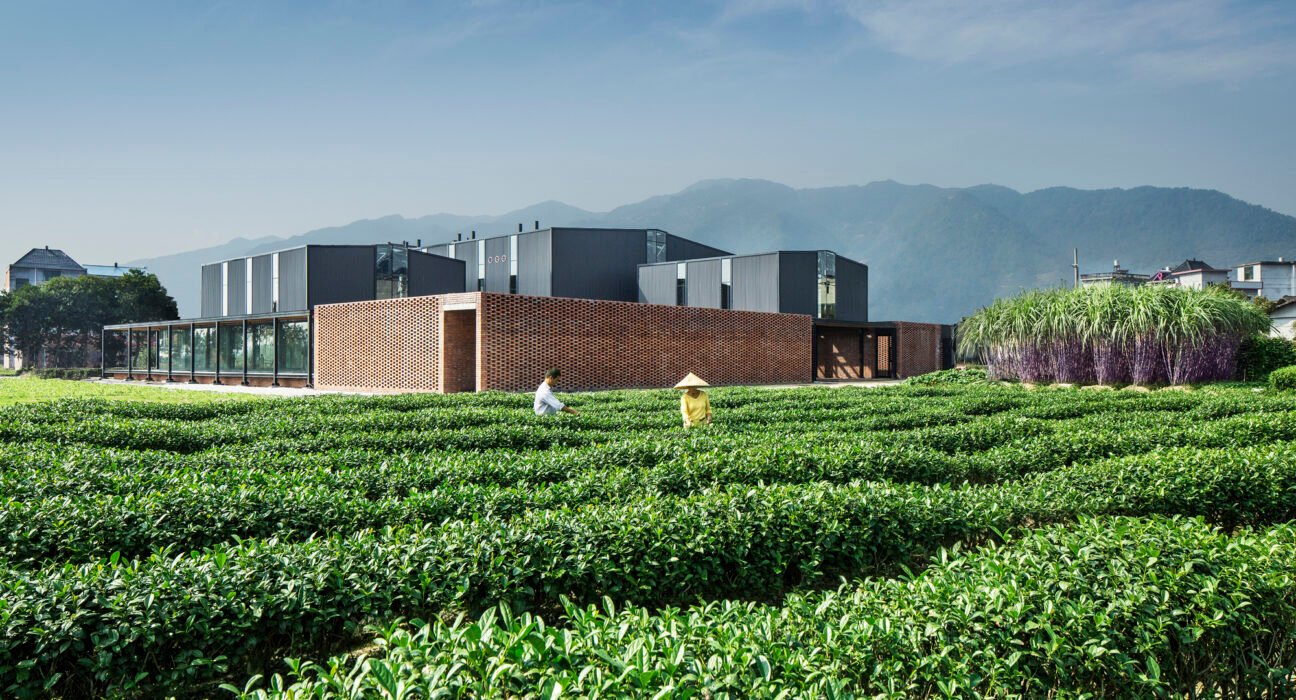
Several DnA projects have helped define Xu Tiantian’s international reputation. Works such as the Brown Sugar Factory, Jinyun Quarries, Huiming Tea Space, Bamboo Theatre, and Shimen Bridge illustrate her ability to transform everyday or historically layered sites into places of renewed civic and cultural value.
Across these projects, recurring themes emerge:
- Adaptive reuse: Existing structures and landscapes are reimagined rather than erased.
- Cultural preservation: Local stories and traditions remain central to the design response.
- Landscape integration: Architecture is treated as part of a wider ecological system.
- Social activation: Spaces are designed to invite community participation and economic activity.
This is why the latest Architecture news around her award has generated such strong interest. Her work shows that architecture can be simultaneously poetic, strategic, and practical.
A Growing List of Prestigious Honors
The Charlotte Perriand Award adds to an already impressive list of distinctions. Xu Tiantian has previously received the Swiss Architectural Award, the Berlin Art Prize in Architecture, the Marcus Prize, the UNESCO Global Award for Sustainable Architecture, the Holcim Gold Award for Asia-Pacific, and the 2025 Wolf Prize for Architecture.
She was also elected to the Akademie der Künste in Berlin in 2024. Taken together, these milestones reflect a career that has moved from critical acclaim to enduring global recognition.
For those who follow Architecture news closely, this pattern suggests something larger than personal success. It points to a broader shift in what architecture institutions choose to celebrate: not only form and prestige, but public value, resilience, and cultural stewardship.
What This Means for Luxury Architecture and Design
At first glance, rural revitalization may seem distant from luxury architecture or luxury home decor. In reality, the connection is growing stronger. The most influential design movements today increasingly prioritize:
- Craft and authenticity over excess
- Local identity over generic global style
- Sustainable materials and adaptive reuse
- Emotional and cultural richness in interior and exterior spaces
Xu Tiantian’s recognition reinforces these values. Her work suggests that the future of elevated living and premium design will be defined less by spectacle and more by thoughtful integration, heritage, and environmental intelligence.
That is why this Architecture news matters far beyond the awards circuit. It speaks directly to how architects, designers, and homeowners are redefining beauty and value.
Conclusion
This year’s most compelling Architecture news is not just about another prestigious prize. Xu Tiantian’s 2026 Charlotte Perriand Award recognizes a design philosophy that is humane, place-sensitive, and future-facing. Her work reminds the industry that architecture has the power to preserve memory, revive communities, and elevate everyday life.
The clear takeaway is this: as global design priorities continue to evolve, architects like Xu Tiantian are showing that the most lasting form of luxury is meaning. And that makes this Architecture news especially worth watching.