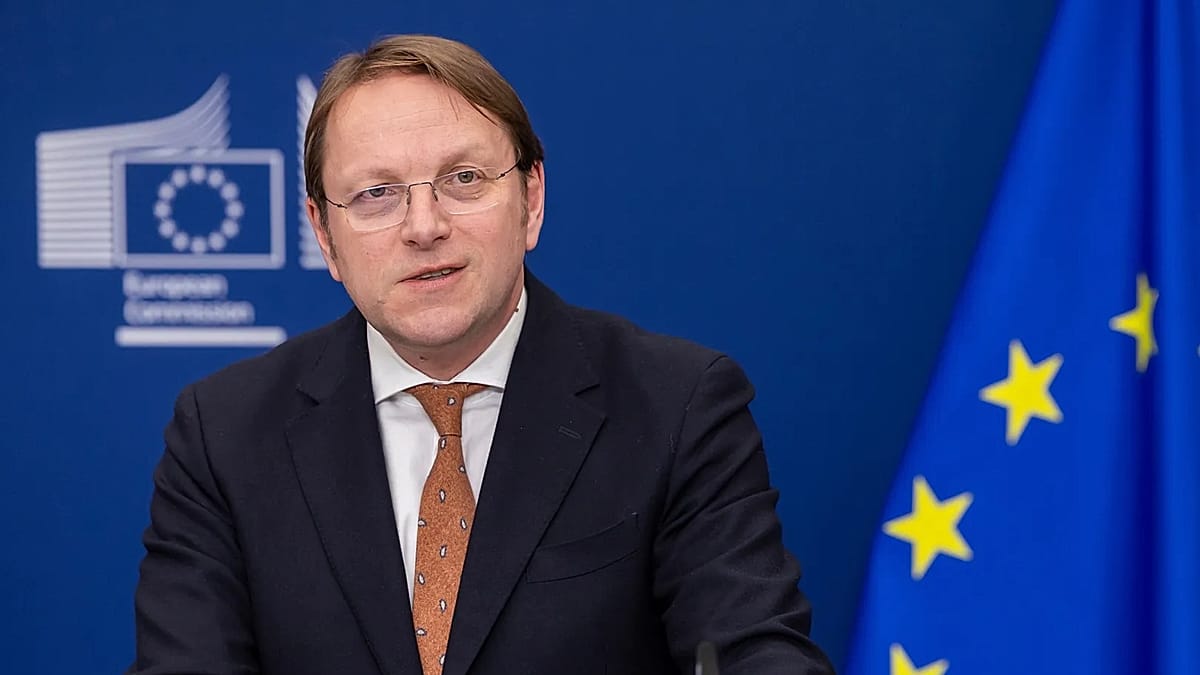
A leaked European Commission document has reignited political tension in Brussels, with the Hungarian spy ring allegations once again placing EU Commissioner Olivér Várhelyi under intense scrutiny. While the story unfolds in the heart of European institutions, its implications ripple far beyond politics, touching the worlds of luxury brands, luxury decor, and luxury design, all of which depend on regulatory stability, investor confidence, and cross-border trust.
The newly surfaced document reportedly confirms that Hungary’s Permanent Representation to the EU operated an intelligence network between 2012 and 2018. According to the findings, officials posing as diplomats allegedly sought information from Commission staff of Hungarian nationality on matters relevant to the Hungarian government. Although the Commission said no serious security breach was detected, the confirmation of the Hungarian spy ring has revived broader questions about accountability, governance, and political independence at the European level.
Why the Hungarian Spy Ring Case Matters
At first glance, the Hungarian spy ring story may seem like a narrow institutional controversy. In reality, it speaks to a larger issue: whether top EU officials can be fully trusted to act independently of national political agendas. That concern matters deeply to industries built on global confidence, including luxury brands and premium design houses that operate across European capitals.
Olivér Várhelyi served as Hungary’s ambassador to the EU from 2015 to 2019, overlapping with part of the period under investigation. He has denied any knowledge of the alleged network. Still, critics argue that even if he was not directly involved, the situation raises questions about oversight and leadership.
For the European Commission, the stakes are high:
- Institutional credibility is under pressure
- Political independence of Commissioners is being tested
- Member-state influence over EU roles is under renewed debate
- Trust in Brussels-based governance could weaken further
These concerns affect more than public administration. Luxury businesses, from heritage maisons to high-end interior design firms, rely on stable policymaking environments to manage everything from supply chains to market expansion and brand positioning.
What the Leaked Document Reveals
The leaked letter, reportedly signed by Budget Commissioner Piotr Serafin and sent to members of the European Parliament, outlines the findings of an internal probe. It states that intelligence officers used official diplomatic cover to approach Hungarian Commission employees and gather detailed information connected to issues of interest to Budapest.
That detail is central to why the Hungarian spy ring controversy has escalated again. The issue is no longer just allegation; it now carries the weight of an internal Commission finding. Even though investigators said no major security breach was intercepted, the existence of such a network inside Brussels is politically explosive.
Key findings drawing attention
- The network allegedly operated from 2012 to 2018
- Intelligence actors were said to be embedded in diplomatic roles
- Targets reportedly included Commission staff of Hungarian nationality
- The activity appeared to go beyond normal diplomatic duties
Those points have fueled calls from MEPs and legal experts for a deeper reckoning over Várhelyi’s continued role in the Commission.
Renewed Calls for Resignation
The confirmation of the Hungarian spy ring has emboldened Várhelyi’s critics. Some members of the European Parliament argue that he is no longer fit to serve, whether due to direct involvement, lack of awareness, or failure to control staff during his tenure as permanent representative.
Legal experts have also weighed in. EU law specialists note that Commissioners are expected to be independent, loyal to the European interest, and free from conflicts tied to their home governments. If that threshold is seriously undermined, Commission President Ursula von der Leyen could theoretically request a resignation or pursue legal removal through the European Court of Justice.
Yet politics complicates the matter. Brussels is widely seen as reluctant to remove a sitting Commissioner because doing so after a change in national leadership could create a precedent that other member states might later invoke. That institutional caution is one reason the Hungarian spy ring issue remains unresolved despite mounting criticism.
Why Luxury Brands and Luxury Design Should Pay Attention
For readers focused on luxury brands, luxury decor, and luxury design, this story is not as distant as it appears. Political trust within the EU influences the regulatory climate that premium businesses depend on. When governance questions dominate headlines, markets tend to react with caution, especially in sectors driven by prestige, international expansion, and elite consumer sentiment.
Potential business implications
- Investor confidence: Political uncertainty can affect capital allocation and long-term brand investment in Europe.
- Cross-border operations: Luxury groups with offices, ateliers, showrooms, and logistics networks across the EU depend on institutional predictability.
- Brand reputation: High-end companies often align with values like integrity, heritage, and trust; a fractured political backdrop can shape communications strategy.
- Market perception: European stability remains part of the appeal for premium real estate, interior design, and luxury hospitality.
In luxury design especially, confidence in European governance supports everything from development pipelines to procurement planning. Major design projects, bespoke furnishings, and premium decor sourcing are all influenced by economic sentiment and political clarity.
What Happens Next in the Hungarian Spy Ring Affair
The next phase of the Hungarian spy ring controversy will likely play out on three fronts: parliamentary pressure, legal interpretation, and political strategy inside the Commission. MEPs may continue demanding consequences, while Brussels weighs whether action against Várhelyi would protect institutional integrity or open the door to future political instability.
Meanwhile, Hungary’s post-Orbán political landscape adds another layer of complexity. A new national leadership may push for distance from past appointments, but EU institutions must balance national change against the principle that Commissioners serve Europe, not their home capitals.
That tension is precisely why this case matters. It is not simply about one official. It is about whether the EU can convincingly enforce its own standards while avoiding a precedent that may later disrupt its internal balance.
Conclusion
The leaked findings have turned the Hungarian spy ring from a troubling allegation into a renewed test of European accountability. For Brussels, the issue is whether institutional trust can be defended without triggering political fallout. For luxury brands, luxury decor leaders, and luxury design professionals, the takeaway is equally clear: stability, transparency, and confidence in governance remain essential foundations for premium markets. As the Hungarian spy ring case develops, it will serve as a revealing measure of how firmly the EU is prepared to uphold those principles.