


Ukraine and Moldova Advance EU Accession Talks With New External Relations Cluster
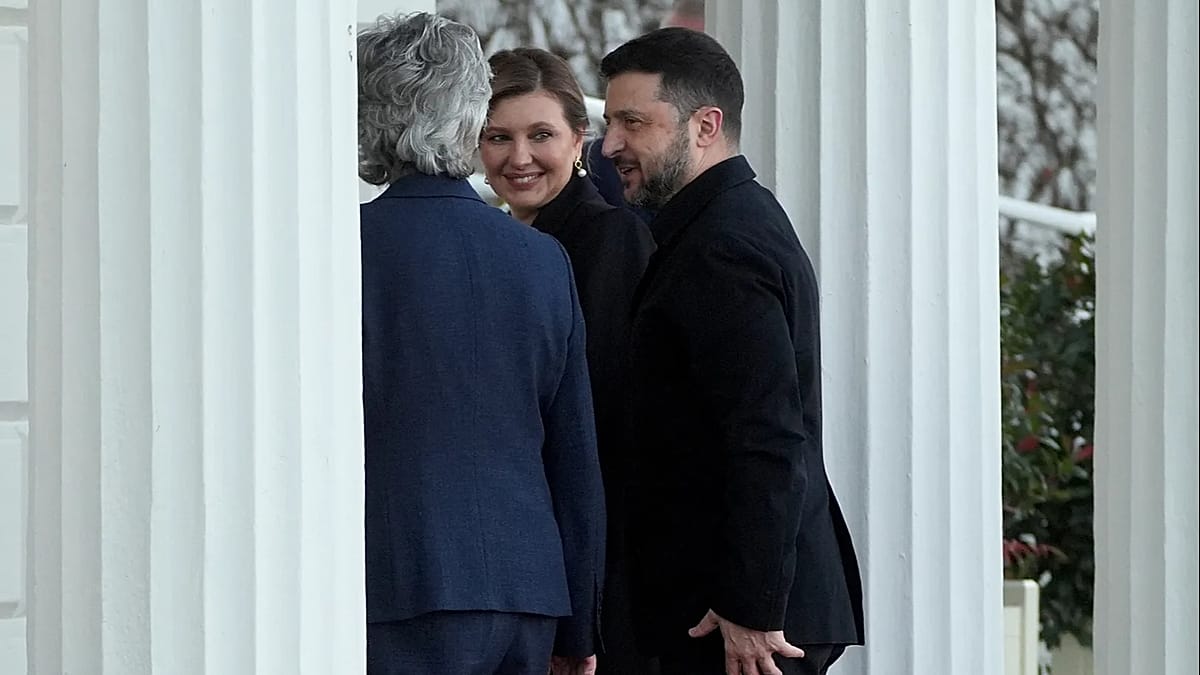
Ukraine and Moldova EU accession talks have entered another important phase, underscoring how quickly Europe’s political map can shift when diplomacy aligns with momentum. For readers in luxury brands, luxury decor, and luxury design, this development is also a reminder that geopolitical stability and long-term integration often shape the premium markets, investment confidence, and cultural exchange that define the high-end sector.
EU member states have now unanimously agreed to move forward with opening another negotiation cluster for both countries. The next step focuses on cluster six, known as External Relations, and a formal ceremony is expected in mid-July. While accession remains a long, highly technical process, this decision signals clear progress for Kyiv and Chisinau as they deepen ties with the European Union.
Why Ukraine and Moldova EU Accession Talks Matter Now
The latest agreement marks a fresh milestone in the Ukraine and Moldova EU accession talks. In practical terms, EU governments concluded the screening phase for cluster six, which examines how a candidate country’s laws and policies compare with the EU’s legal framework.
This cluster covers areas including:
- External relations
- Foreign policy coordination
- Security-related alignment
- International trade and diplomatic positioning
Because these areas are central to how future member states interact with the wider world, opening this chapter is politically meaningful. It suggests that both Ukraine and Moldova are being treated as serious candidates whose integration is advancing despite previous obstacles.
The move is also notable because unanimity was required. All 27 EU countries had to agree, and they did.
What Changed Inside the EU
One of the biggest reasons the Ukraine and Moldova EU accession talks can move ahead is a change in Hungary’s position. For years, Budapest had blocked parts of Ukraine’s path over disagreements concerning the Hungarian minority in western Ukraine.
That stalemate has eased following a shift in Hungary’s domestic politics. The new government under Péter Magyar has worked with Ukrainian authorities to address the minority-rights dispute, helping unlock the first negotiation cluster earlier this summer.
Even so, Hungary has remained cautious about opening every remaining cluster at once. Rather than pushing an accelerated all-in approach, the EU is now proceeding more gradually.
A more pragmatic EU strategy
With Ireland taking over the presidency of the EU Council on 1 July, the bloc appears to have adopted a step-by-step formula. Instead of seeking a sweeping breakthrough before the summer break, officials have backed a more measured path: open one cluster at a time where consensus is achievable.
That strategy seems to be working. Cluster six was seen as less contentious than other policy areas, making it the logical next move.
How the Process Works
The Ukraine and Moldova EU accession talks are structured around negotiation clusters, each grouping different parts of EU law and policy. Before a cluster can be formally opened, the European Commission conducts a screening exercise to assess whether the candidate country is prepared to negotiate in that area.
The current step is known as a screening letter. This confirms that the analytical review has been completed for cluster six.
The process expected over the coming days includes:
- Endorsement of the invitation letter by EU ambassadors
- Approval of the EU’s common position
- Formal opening of the cluster at an Intergovernmental Conference
While this may sound procedural, it is a critical part of enlargement. Every technical milestone carries political weight, especially for countries seeking to anchor themselves more firmly within the European project.
Why This Matters Beyond Politics
The Ukraine and Moldova EU accession talks are not only about treaties, institutions, and diplomacy. They also influence investor sentiment, infrastructure planning, regulatory convergence, and cross-border commercial confidence.
For sectors tied to luxury brands, luxury decor, and luxury design, EU integration can gradually create conditions that support premium growth. Greater legal alignment, improved market transparency, and stronger political ties can encourage:
- High-end retail expansion
- Interior design and architecture investment
- Luxury hospitality development
- Cross-border sourcing and craftsmanship partnerships
- Wealth migration and second-home interest
In emerging premium markets, political direction matters. When countries move closer to EU norms, international businesses often watch closely for signs of stability, governance reform, and stronger consumer confidence.
The cultural dimension
There is also a softer but equally important angle. Moldova and Ukraine both possess rich creative traditions, from artisanal textiles and furniture-making to architecture, decorative arts, and bespoke craftsmanship. Closer EU integration could eventually help showcase these design identities on a wider European stage.
For luxury audiences, that opens intriguing possibilities. New regional influences can shape interiors, collectible design, boutique hospitality, and curated lifestyle experiences in ways that feel both authentic and elevated.
What Happens Next in Ukraine and Moldova EU Accession Talks
The immediate focus is the formal opening of cluster six in mid-July. If that proceeds as expected, it will build confidence around the broader direction of the Ukraine and Moldova EU accession talks.
However, major challenges remain. Accession is never automatic, and future clusters may prove more politically sensitive. Domestic reforms, judicial standards, governance issues, and member-state politics will all continue to shape the pace.
Still, momentum matters in EU enlargement. Each opened cluster sends a signal not just to candidate countries, but to markets, institutions, and allies. In this case, the signal is that both Ukraine and Moldova are continuing to move forward, even if the road remains complex.
Conclusion
The latest step in the Ukraine and Moldova EU accession talks is more than a procedural update. It reflects renewed consensus inside the EU, a practical diplomatic approach, and a continued commitment to drawing both countries closer to the bloc. For observers across politics, business, and luxury-led industries, the takeaway is clear: steady integration can reshape regional opportunity, confidence, and cultural relevance over time.