



How America’s 250th Birthday Became a Global Stage for Ceremonial Design and Monumental Spectacle
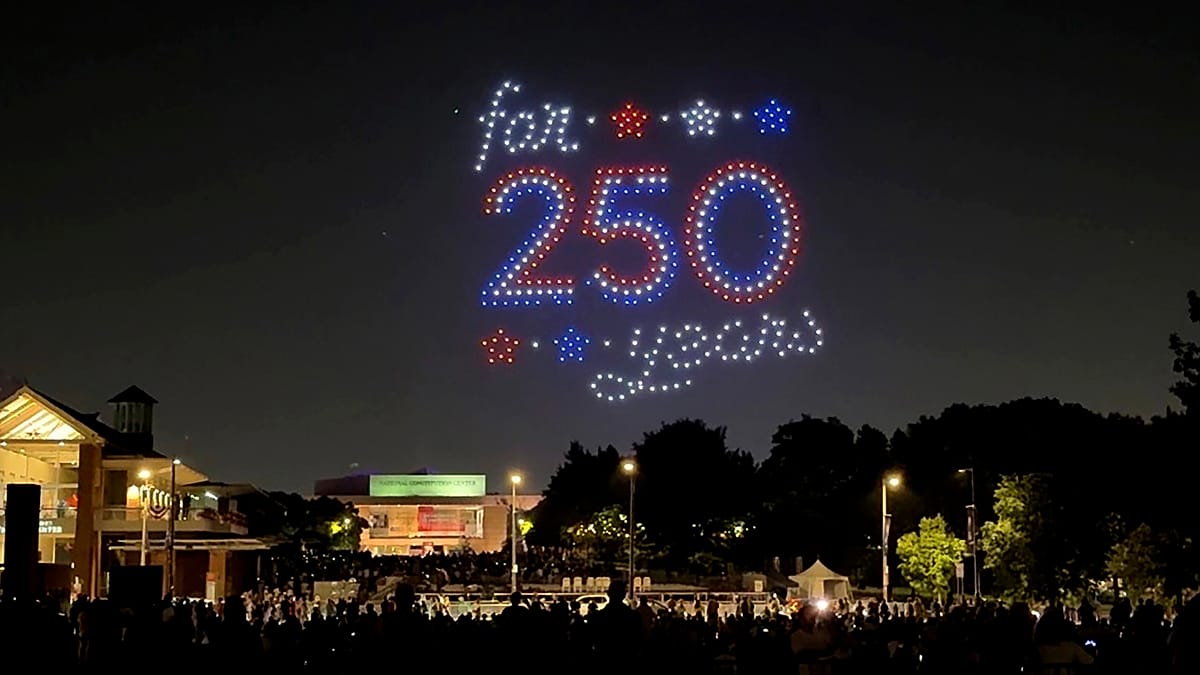
America 250 celebrations are doing more than marking a historic anniversary—they are revealing how nations use design, architecture, lighting, and ceremonial space to project identity on a global scale. From illuminated landmarks in Europe to choreographed civic pageantry in Washington, the United States’ 250th birthday has become a masterclass in how public spectacle intersects with luxury architecture, luxury design, and symbolic interiors.
While the headlines focus on congratulatory messages from presidents, prime ministers, and royals, the visual language of the moment is just as compelling. National anniversaries are increasingly staged through monumental settings, carefully designed public experiences, and iconic urban backdrops. In that sense, America 250 celebrations offer a fascinating case study in prestige design at the highest level.
America 250 Celebrations and the Power of Designed National Identity
The 250th anniversary of US independence has been framed by the White House as one of the nation’s most important milestones. Planned events include fireworks, air shows, and a presidential address—elements that may sound familiar, but together they form a highly curated spatial experience.
Large-scale national celebrations rely on more than protocol. They depend on design choices that shape emotion, memory, and international perception. In the context of America 250 celebrations, that means:
- Ceremonial architecture that elevates public space into a stage set
- Lighting design that turns monuments into diplomatic symbols
- Event choreography that balances patriotism with visual grandeur
- Historic interiors that reinforce continuity, power, and statecraft
For luxury audiences, this matters because the same principles used in state celebrations often influence high-end hospitality, estate design, and cultural institutions: scale, symbolism, materiality, and immersive storytelling.
Why World Leaders’ Tributes Matter Beyond Politics
Leaders across Europe used the occasion to highlight alliances, shared values, and longstanding cultural ties with the United States. European Commission President Ursula von der Leyen referenced the transatlantic partnership, while Ukrainian President Volodymyr Zelenskyy linked American independence to the modern struggle for freedom. King Charles III emphasized the evolution of US-UK relations from conflict to one of the world’s closest alliances.
These messages are political, but they are also performative in the best architectural sense: they are delivered through settings, ceremonies, and imagery designed to communicate status and permanence. State anniversaries are never only about words. They are about where those words are placed—on palace grounds, in formal chambers, beneath historic facades, or against glowing city skylines.
This is where luxury design observers can find a deeper story. Diplomatic communication increasingly depends on visual environments that feel intentional, elevated, and memorable.
Monument Lighting as Luxury Design: The Eiffel Tower Effect
One of the most striking gestures tied to America 250 celebrations came from France, where the Eiffel Tower was lit in the colors of the US flag. It was a simple act on the surface, yet enormously powerful in design terms.
Architectural lighting has become one of the most sophisticated tools in modern civic branding. A landmark illumination can instantly communicate solidarity, celebration, or remembrance without a single spoken sentence. In high-end design circles, this mirrors the rise of dynamic facade lighting, programmable environments, and experiential atmospheres in luxury retail, hotels, and residences.
What landmark illuminations teach the luxury sector
- Color is narrative: Palette choices carry emotional and political meaning
- Scale amplifies symbolism: The bigger the canvas, the stronger the message
- Timing matters: Ephemeral installations can feel more exclusive than permanent features
- Context creates value: A historic structure gains new relevance through temporary transformation
The Eiffel Tower tribute underscored how an iconic structure can become an active participant in diplomacy. For architects and designers, it is a reminder that buildings do not merely house events—they can become the message itself.
Royal Optics, Historic Interiors, and the Language of Prestige
The involvement of the British Royal Family added another layer of ceremonial sophistication to America 250 celebrations. King Charles III’s message, paired with footage from his earlier US visit, reinforced the importance of tradition, staging, and architectural backdrop in major commemorations.
Royal and state imagery often relies on interiors that signal authority through restraint rather than excess. Think paneled rooms, heritage textiles, polished stone, antique finishes, and balanced symmetry. These spaces work because they convey legitimacy and continuity—qualities that many luxury interiors now seek to reinterpret in contemporary form.
Design themes echoed in diplomatic interiors
- Heritage craftsmanship as a marker of authenticity
- Layered materials such as wood, brass, velvet, and marble
- Measured grandeur that feels impressive without theatrical overload
- Cultural storytelling embedded in art, furnishings, and layout
In this way, state occasions often set the tone for broader aesthetic trends. Grand yet disciplined spaces continue to influence luxury residential projects, embassy-style hospitality, and private members’ clubs.
The Architecture of Alliance: Why Ceremonial Space Still Matters
Statements from Poland, Germany, Iceland, and Italy all pointed to shared history, defense, and friendship with the United States. Although these were diplomatic messages, they also demonstrate how architecture and place remain central to collective memory.
National anniversaries work best when they are anchored in recognizable settings: capitals, towers, official residences, parade routes, and monuments. These environments provide emotional structure. They transform an abstract idea—freedom, alliance, democracy—into something visible and tangible.
For readers interested in luxury architecture, America 250 celebrations highlight several enduring truths:
- Great design gains power when linked to story and ritual
- Public spaces can deliver intimacy and awe at once
- Historic settings remain unmatched for symbolic resonance
- Temporary spectacle can enhance the long-term value of permanent architecture
That blend of permanence and performance is exactly what defines many of today’s most admired luxury environments.
What America 250 Celebrations Reveal About Design in 2026
At their core, America 250 celebrations show that prestige design is no longer confined to private estates, boutique hotels, or curated interiors. It is increasingly visible in civic ceremonies, illuminated landmarks, and globally shared visual moments. Design has become a diplomatic language—one that expresses alliance, admiration, and identity at monumental scale.
As world leaders and royals mark the US’s 250th birthday, the lasting takeaway is clear: architecture and design are not just decorative backdrops to history. They help shape how history is seen, felt, and remembered. For anyone tracking the future of luxury architecture, luxury design, and luxury interiors, America 250 celebrations offer a vivid lesson in the enduring value of spectacle with meaning.