
Milan’s Animal Parliament Reimagines Urban Design Through a More Inclusive Luxury Lens
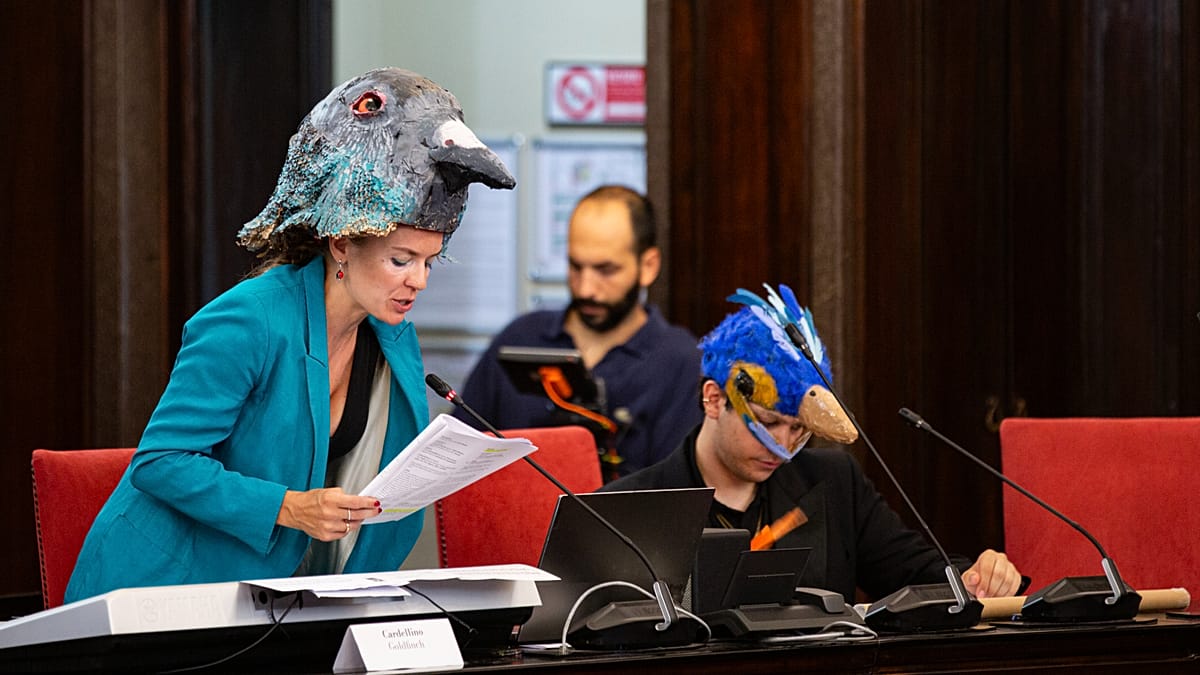
What if the future of elite urban living had to answer not only to residents, architects and developers, but also to pigeons, frogs, foxes and beetles? In Milan, an animal parliament is turning that provocative idea into a cultural and design conversation with surprising relevance for luxury brands, luxury decor and luxury design.
Hosted at Milan City Hall, the initiative known as the Parliament of Living Species invites human representatives to speak on behalf of 50 urban animals affected by development decisions. The result is part performance, part planning exercise and part design manifesto: a fresh model for cities that want beauty, prestige and sustainability to coexist.
Why Milan’s animal parliament matters for design-led cities
At first glance, the spectacle of masked delegates voicing the concerns of swifts, goldfish or small mammals may seem whimsical. But the animal parliament addresses a serious question: who is considered when a city evolves?
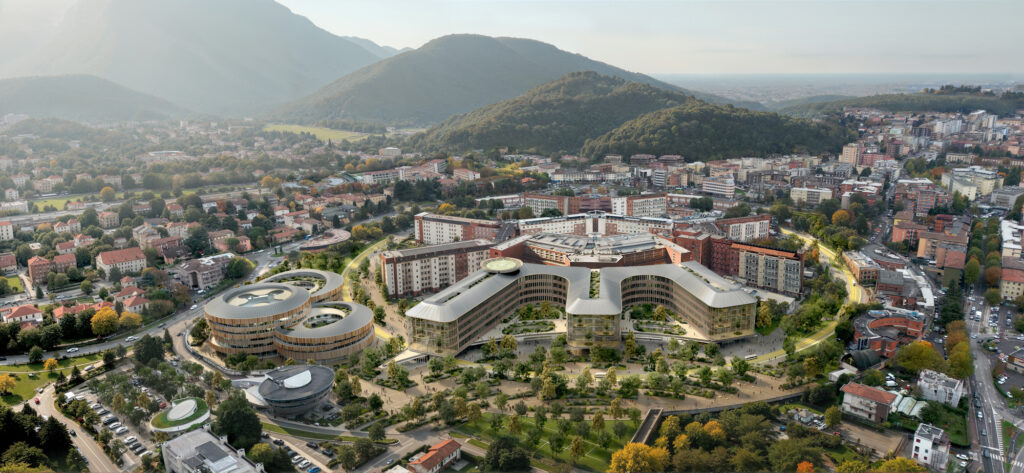
In Milan, the debate touches on real projects and real tensions. Swifts are linked to concerns over the possible demolition of San Siro Stadium, a nesting site for thousands of birds. Foxes and other ground-dwelling species are tied to discussions about green corridors versus additional parking. The reopening of the Navigli canals raises opportunities for some species while potentially creating barriers for others.
For the luxury sector, these issues are no longer peripheral. Premium real estate, hospitality, interiors and branded environments increasingly depend on ecological intelligence. High-end clients expect spaces that feel refined, healthy and future-ready, not merely expensive.
The animal parliament as a blueprint for luxury design thinking
The deeper value of the animal parliament lies in how it reframes design excellence. Instead of treating biodiversity as an afterthought, it positions non-human life as a stakeholder in urban planning. That principle aligns with a broader shift in luxury design, where status is now often expressed through restraint, longevity and environmental sensitivity.
This Milan project builds on the earlier Animals in the City concept presented in Paris, developed by designer Andrea Branzi and architect Stefano Boeri. Their approach blends research, art and architecture to imagine cities as shared ecosystems rather than purely human stages.
That idea has clear implications for luxury categories:
- Luxury architecture can integrate nesting spaces, green facades and habitat-friendly materials.
- Luxury decor can draw inspiration from local ecologies, seasonal patterns and biomorphic forms.
- Luxury brands can align product storytelling with biodiversity, restoration and urban wellbeing.
In other words, ecological awareness is becoming a marker of cultural sophistication.
What urban biodiversity means for luxury decor and interiors
Designers have long borrowed from nature, but today the brief is changing. It is no longer enough to reference flora and fauna aesthetically; spaces are being asked to support living systems in practical ways. The animal parliament pushes that conversation forward by making invisible species visible.
For interior and decor professionals, that could translate into:
1. Materials with a lighter ecological footprint
Natural stone, responsibly sourced timber, lime-based finishes and low-toxicity textiles can reduce harm while elevating tactile quality. Luxury increasingly means fewer harmful inputs and more enduring craftsmanship.
2. Indoor-outdoor continuity
Terraces, courtyards, green roofs and planted thresholds create habitats while enhancing the sensory richness of a property. In premium residences and hotels, these features deliver both visual serenity and ecological function.
3. Lighting and acoustics that respect ecosystems
Overly harsh lighting and constant noise disrupt urban wildlife. Thoughtful illumination schemes, shielded outdoor fixtures and quieter landscape systems can improve ambience for humans while reducing ecological stress.
4. Decorative narratives rooted in place
Instead of generic luxury codes, designers can use local species, waterways and habitats as inspiration for palettes, textures and bespoke pieces. This produces interiors with authenticity, not just polish.
Milan’s cultural leadership and the future of luxury brands
Milan is already a global capital of fashion, furniture and architecture, so the symbolism of an animal parliament in this city matters. It suggests that leadership in design now includes moral imagination: the capacity to envision urban prestige without ecological exclusion.
Luxury brands should pay close attention because consumer expectations are evolving fast. Affluent audiences increasingly reward brands that demonstrate:
- Commitment to urban sustainability
- Investment in biodiversity and green infrastructure
- Adaptive reuse of historic or abandoned buildings
- Design innovation with social and environmental value
One compelling idea raised around the Milan project is the transformation of neglected sites into biodiversity hubs. That kind of adaptive reuse is especially relevant to luxury development. Restoring abandoned architectural assets can preserve heritage, reduce waste and create distinctive destinations with narrative depth.
For premium hospitality, residential and retail brands, such moves create a rare combination of exclusivity and responsibility. They also help differentiate projects in crowded markets where aesthetic excellence alone is no longer enough.
From symbolic debate to practical urban planning
The animal parliament is theatrical by design, but its purpose is pragmatic. Organisers want policymakers, designers and citizens to leave with greater sensitivity to the urban ecosystem as a whole. That includes migratory birds, insects, aquatic life and species that thrive in overlooked corners of the city.
Practical lessons from the initiative include:
- Plan with ecosystems, not around them. Biodiversity should be integrated early in development decisions.
- Protect multifunctional structures. Buildings and infrastructures often serve as habitats as well as human assets.
- Reconnect fragmented landscapes. Green corridors and water networks improve urban resilience.
- Value abandoned spaces differently. Disused properties may become ecological and cultural resources.
These are not anti-development ideas. They are smarter development principles, especially for cities competing on design quality, liveability and international reputation.
Conclusion: the animal parliament offers a new definition of luxury
Milan’s animal parliament may be playful in format, but its message is profound: the best-designed cities are not only elegant and efficient, they are capable of coexistence. For the worlds of luxury brands, luxury decor and luxury design, that is a powerful creative challenge.
The takeaway is clear. Tomorrow’s most admired spaces will not simply showcase wealth or taste; they will express ecological intelligence, cultural relevance and respect for the many forms of life that share the city. If Milan’s experiment succeeds, the animal parliament could become a lasting symbol of what truly modern luxury looks like.