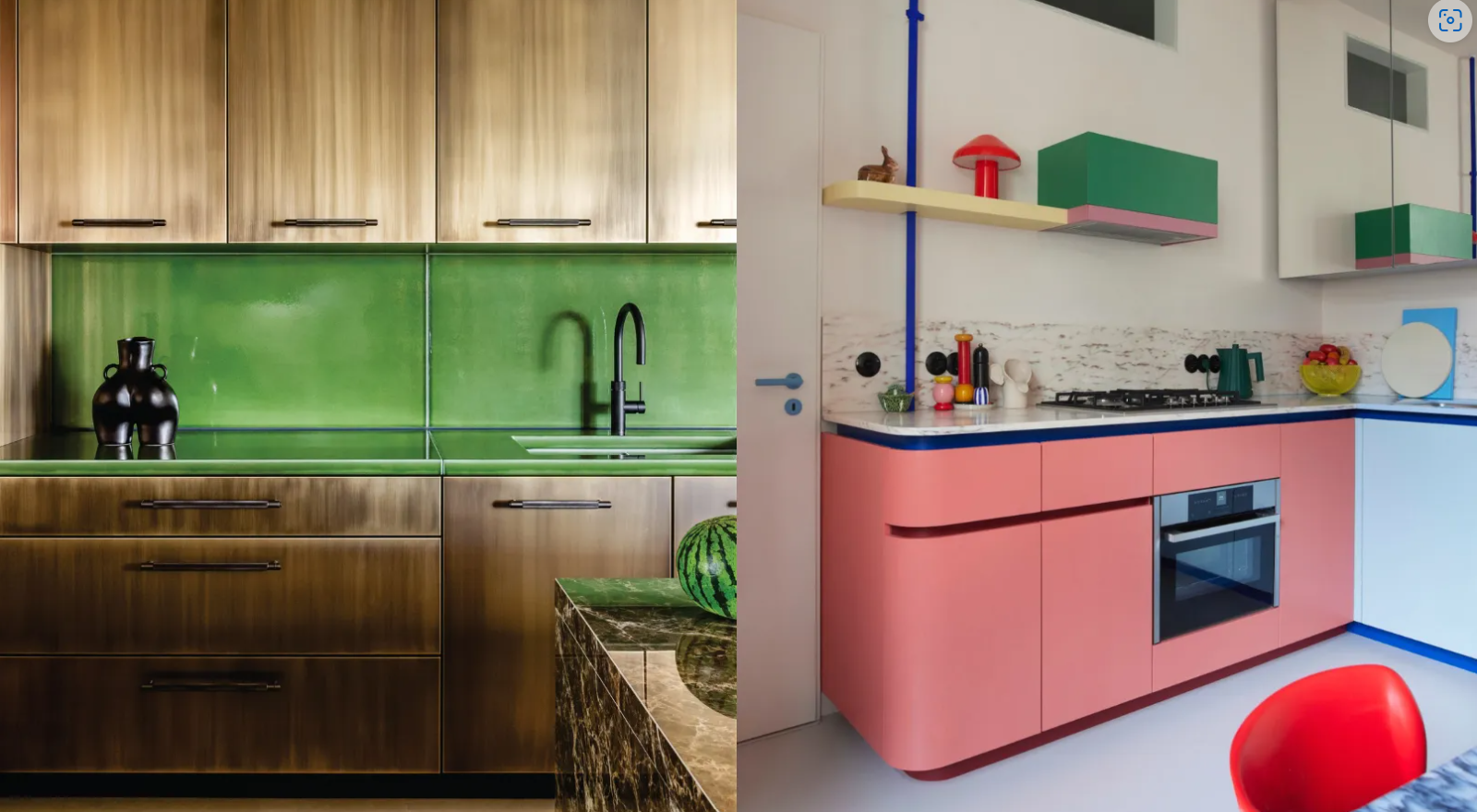

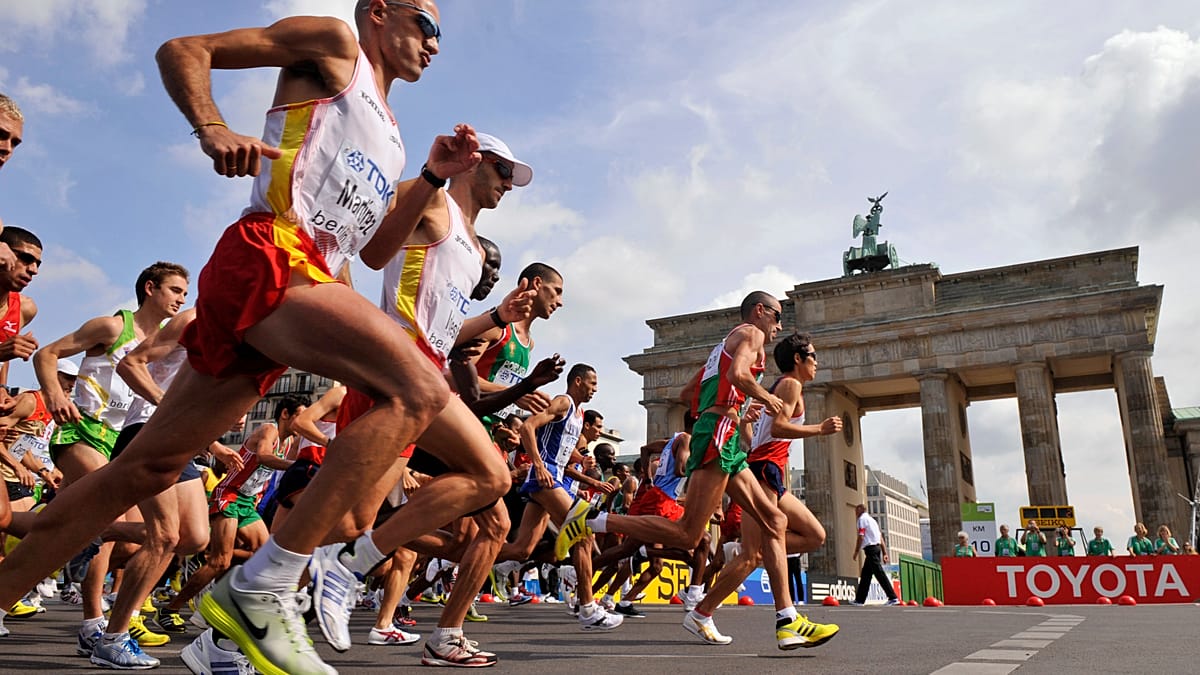
Luxury design is often judged by its finish, but true excellence is revealed by how well something performs over time. A new marathon study offers an unexpected lesson for the worlds of luxury brands, luxury decor, and luxury design: success is not just about speed, strength, or a dramatic first impression, but about pacing, balance, and intelligent energy management.
Researchers analysing more than 870,000 Berlin Marathon finishers found that men were significantly more likely than women to “hit the wall” during a race, meaning they slowed sharply in the second half after starting too aggressively. While the study belongs to sport science, its central insight has striking relevance for luxury design, where durability, restraint, and strategic execution often separate timeless icons from attention-grabbing objects that quickly fade.
Luxury Design and the Power of Pacing
In marathon running, pacing is considered one of the most important determinants of performance. The same principle applies to luxury design. Whether creating an interior, a collectible furniture piece, or a brand experience, the goal is not simply to impress in the opening moment. It is to sustain beauty, function, and emotional value across months, years, and even generations.
The marathon study found that men were, on average, faster overall but more likely to adopt unstable pacing strategies. Women, by contrast, showed more consistent self-regulation and greater resistance to decision fatigue. In the language of luxury design, this mirrors a familiar truth: measured choices often outperform flashy excess.
High-end aesthetics are most convincing when they feel deliberate rather than overworked. The finest spaces rarely scream for attention. Instead, they unfold gradually through proportion, materiality, craftsmanship, and atmosphere.
Why restraint creates longer-lasting impact
- Balanced composition prevents visual fatigue.
- Layered materials age more gracefully than trend-driven surfaces.
- Thoughtful pacing of statement pieces keeps a room from feeling overdesigned.
- Functional planning ensures that beauty does not collapse under daily use.
Just as a runner who starts too fast can pay for it later, a project overloaded with spectacle can lose coherence and longevity.
What Luxury Brands Can Learn From Marathon Strategy
For luxury brands, the study reinforces the importance of consistency over bursts of intensity. In premium markets, growth built on hype alone can resemble an aggressive early race pace: exciting at first, but difficult to maintain. Enduring maisons and design houses typically succeed because they control rhythm carefully, introducing innovation without sacrificing identity.
This is especially relevant in a crowded visual culture where every launch competes for immediate attention. The temptation is to overextend through constant collaborations, loud campaigns, and rapid aesthetic shifts. But the strongest luxury brands know that scarcity, focus, and disciplined evolution are often more powerful than relentless acceleration.
Brand lessons inspired by endurance performance
- Protect the core identity. A clear design language creates stability across collections and campaigns.
- Release innovation strategically. Not every season needs a reinvention.
- Value long-term equity over short-term noise. Prestige compounds over time.
- Design for sustained relevance. Heritage and future-thinking should work together.
In this sense, luxury design behaves like elite endurance performance. The objective is not merely to lead early, but to finish with strength and distinction.
Luxury Decor Is About Energy Management, Too
The connection between endurance and luxury decor becomes even clearer in interior design. A well-designed room manages visual energy the way a strong marathon manages physical energy. There are focal points, moments of calm, changes in tempo, and a coherent flow from one area to the next.
Rooms that “hit the wall” often do so for similar reasons to runners: too much intensity, too early. Oversized gestures, competing textures, excessive contrast, and overcrowded layouts may look impressive in a photograph but can become tiring in everyday life. By contrast, the best luxury decor creates an experience that remains comfortable, elegant, and compelling over time.
How to apply marathon logic to premium interiors
- Use statement pieces with intention rather than stacking them in every corner.
- Let negative space play a role in the composition.
- Build depth through texture, craftsmanship, and natural materials.
- Consider how light changes the room throughout the day.
- Prioritise comfort and movement, not just visual drama.
These principles define sophisticated luxury design because they honour the lived experience of a space, not just its immediate impact.
The Psychology Behind Better Luxury Design
The researchers suggested that risk-taking behaviour and overconfidence may help explain why some runners start too aggressively and then suffer a dramatic slowdown. That observation has a useful parallel in design culture. Creative industries can reward boldness, but overconfidence often leads to excess: too many references, too many finishes, too many ideas competing for dominance.
By contrast, confidence in luxury design is often expressed through editing. It takes discipline to stop at the right point, to leave room for craftsmanship to speak, and to resist the urge to prove value through abundance alone.
Many of the world’s most admired interiors and objects share this quality. They feel composed, not rushed. Refined, not strained. They demonstrate that performance is not about maximum output at every moment, but about calibrated decisions that preserve quality from beginning to end.
Why Endurance Matters More Than Ever
Today’s consumers are increasingly sensitive to authenticity, longevity, and value beyond trend cycles. That makes the study’s lesson especially relevant. In both sport and design, sustainable excellence depends on control, awareness, and timing. Speed can win attention, but pacing wins trust.
For luxury brands, luxury decor professionals, and collectors alike, the real opportunity lies in creating environments and products that do not burn bright and burn out. Instead, they should mature, endure, and continue to reward close attention.
Ultimately, luxury design is not just about the first glance. It is about the full distance. The marathon study is a powerful reminder that lasting performance comes from balance, not bravado. In a world that constantly pushes for more, the most sophisticated luxury design may be the kind that knows exactly when to accelerate, when to hold back, and how to finish beautifully.